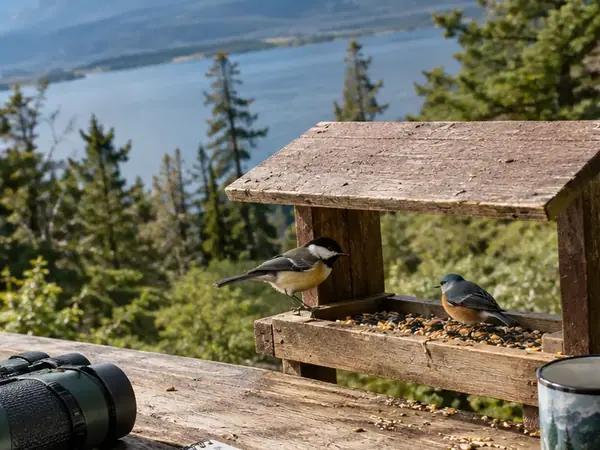


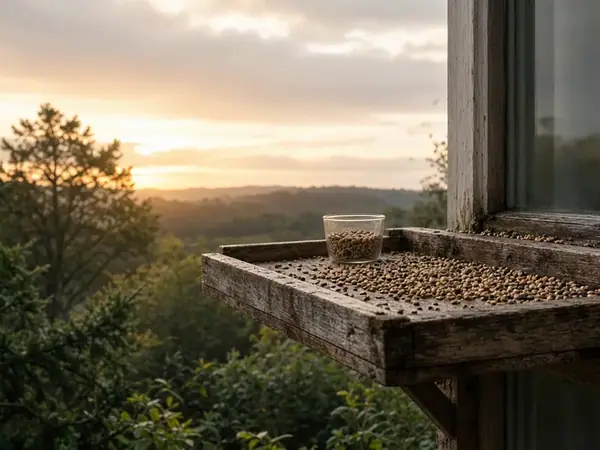
Observe first
Spend a few mornings noting where birds land, where they hesitate, and which spots they avoid. Placement decisions get much easier after that.

Safer backyard birdwatching starts with one plain habit: watch what the birds do before deciding what they need from us.
That sounds almost too simple, but it has saved me from plenty of well-meant mistakes. A feeder hung in the busiest corner of a patio may bring birds close, yet it also brings foot traffic, glare, pets, and spilled seed. A quiet perch near shrubs often works better. The birds tell you quickly.
Spend a few mornings noting where birds land, where they hesitate, and which spots they avoid. Placement decisions get much easier after that.
Offer modest amounts, refresh often, and match food to the season instead of filling every feeder to the rim.
Clean feeders, sweep hulls, and move anything that creates crowding. Small maintenance habits protect more birds than fancy equipment does.
Backyard birds are wild animals using our yards on their own terms. Good guidance respects that, even when we are watching from a kitchen window with coffee in hand.
Most feeder trouble begins with crowding, damp seed, or a station that nobody has cleaned lately. The fix is not dramatic. It is a routine.
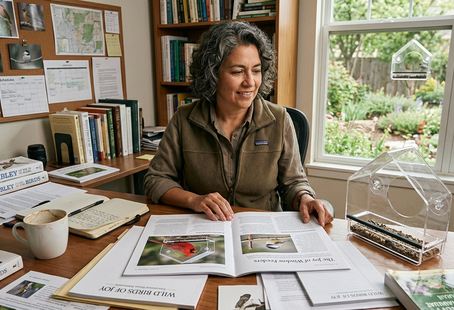
I like one example because it covers the whole idea: a tube feeder near a small service path, with a brush, spare seed container, and rinse bucket kept nearby. When cleaning supplies live in the garage behind three paint cans, cleaning becomes a project. When they sit near the feeder, it becomes a quick chore.
If seed smells sour, clumps in the ports, or sits wet after rain, empty it. Birds can find natural food while you reset the station. Leaving spoiled food out because birds are still visiting is one of those backyard habits that feels kind but is not.
For the practical routine, our feeder-care notes pair well with safe bird feeder cleaning methods for everyday homes. Seasonal food choices matter too, especially during heat, storms, and migration weeks; see what to feed backyard birds by season when you are adjusting your mix.
Window birdwatching is often where people fall in love with birds. A chickadee at arm’s length can turn an ordinary morning into a story you repeat at dinner.
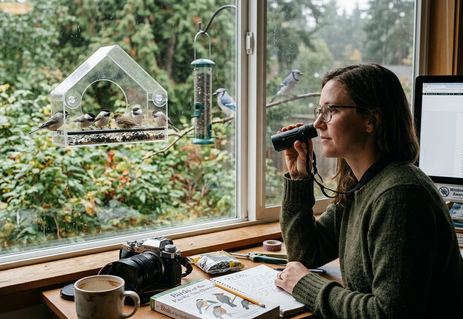
Still, glass changes the safety picture. Reflections confuse birds, and close feeders can encourage quick flights through tight spaces. A safer window setup starts by noticing glare at different times of day. Morning sun on one pane may be harmless in winter and risky in spring.
Sit where you plan to watch, then look at the window from the bird’s likely flight path outside. If you see sky, trees, or open yard reflected back, add visible markers or shift the feeder to reduce direct flight lines.
Apartment balconies, patio doors, and kitchen windows all ask for the same patience. Keep movement slow. Let birds approach and leave without tapping, calling, or crowding the glass. The best close view is the one the bird chooses.
Feeders bring birds in, but habitat keeps a yard useful. Shelter, native plants, clean water, leaf litter, and quiet corners do more work than most people expect.
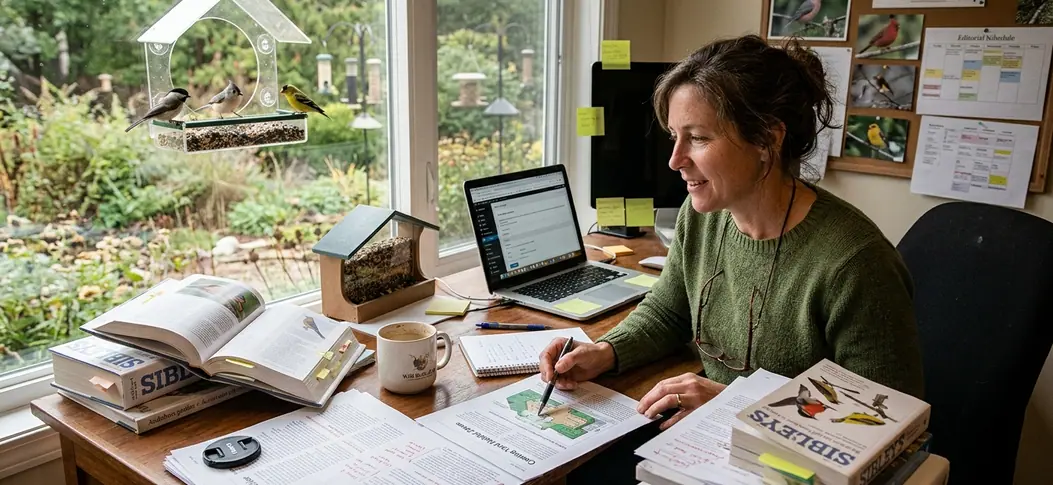
Think of the yard as a set of small zones. One zone feeds. One shelters. One offers water. One stays a little messy for insects and ground-feeding birds. You do not need acreage. A townhome patio with a native shrub, a shallow water dish, and a clean window feeder can support better birdwatching than a large lawn with no cover.
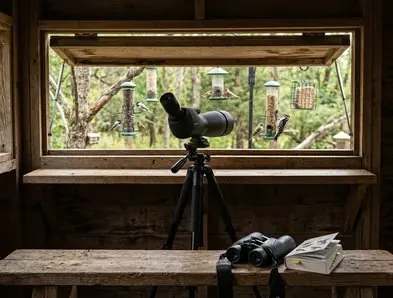
Guides for close observation from windows, patios, apartments, and small spaces.
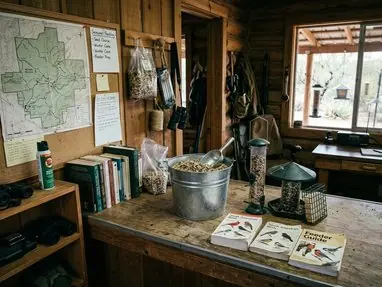
Practical notes on seed, feeder placement, seasonal habits, and common visitors.
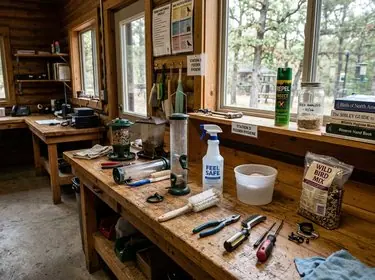
Maintenance guidance for cleaner feeders and healthier visiting birds.
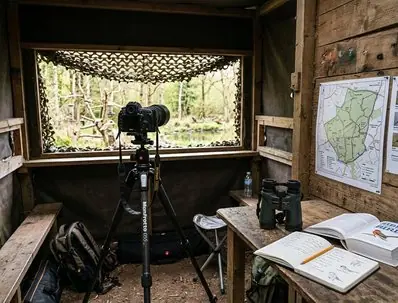
Beginner-friendly ways to read shape, movement, posture, and behavior.
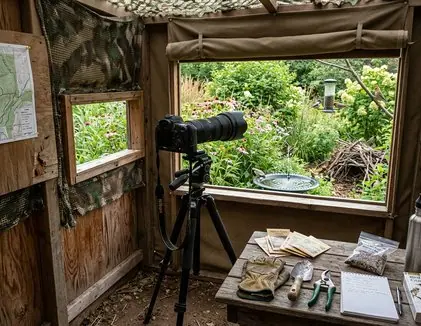
Ideas for native plants, shelter, water, and seasonal habitat support.
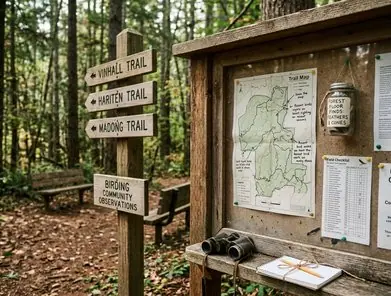
Stories and field notes for people who enjoy everyday bird encounters.
Our approach is plain: combine field observation, careful reading, and home-scale testing that a beginner can repeat. Backyard conditions vary by neighborhood, season, and species, so our guidance favors habits over rigid formulas.
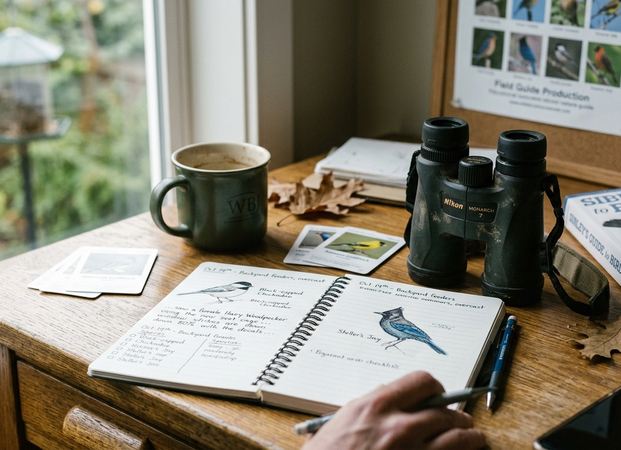
Olivia Sinclair helps direct our habitat coverage through a conservation lens. Ethan Crawford focuses on backyard feeding choices, Ingrid Holm and Rohan Mehta bring behavior and identification experience, Megan Ellis reviews window birdwatching guidance, and Layla Hassan sharpens feeder care and safety notes. The shared goal is simple: help people enjoy birds without making life harder for the birds.
The safest backyard birdwatching setup is usually the one you can maintain calmly. Clean what you offer, give birds cover, watch without pressure, and keep learning from what arrives.
You might also like: If you are starting a habit of observation, try keeping a backyard bird journal or learn how to identify common backyard birds by shape and movement.