The Daily Rhythm Behind Feeder Visits
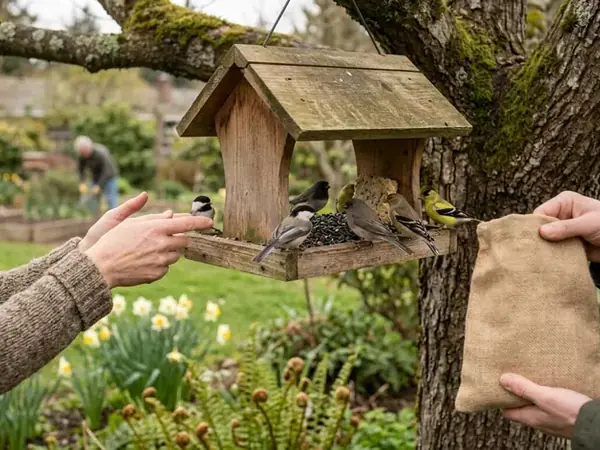
A backyard feeder can feel like it runs on a secret clock. Near sunrise, chickadees may dart in, finches may stack up on the ports, and a cardinal may work the edge of the shrubs. By noon, the same feeder can look abandoned. Then, as the light softens before dusk, the yard starts moving again.
That pattern is familiar, but it is not a rulebook. Feeder timing comes from several small decisions happening at once: energy needs, safety, light, wind, rain, temperature change, cover distance, human disturbance, feeder food type, and which species are nearby.
The most useful way to watch is simple. Check the feeder during three windows: roughly the first hour after local sunrise, a midday look from late morning to early afternoon, and the final hour or so before sunset. Those windows give enough structure to notice patterns without pretending birds keep appointments.
Summary: Birds visit when food reward, safety, light, and energy needs line up. When one of those pieces changes, the schedule can change with it.
Why Many Birds Feed Heavily in the Morning
Morning traffic often starts with energy replacement. Small birds spend the night without daylight feeding, and in short-day seasons that gap can stretch from dusk until dawn. Cold weather raises the stakes because birds burn more energy staying warm.
Once the yard becomes bright enough to search safely, feeder visits can pick up quickly. Early light helps birds see seed, perches, rivals, and cover. At the same time, many yards still feel calm before the day’s noise begins.
A practical morning comparison
For a useful test, compare two mornings at the same feeder. Watch for 20 to 30 minutes after sunrise on a calm, dry morning. Then do the same on a windy or rainy morning. The point is not to count every bird perfectly. It is to notice whether birds arrive boldly, pause in cover, or delay movement until conditions settle.
Feeder placement matters here. Birds may begin earlier when they can move from nearby shrubs, small trees, or brushy cover to the feeder without crossing a wide open stretch of lawn. A feeder in the middle of bare turf can still attract birds, but the approach asks for more exposure.
Chickadees, titmice, finches, sparrows, cardinals, and woodpeckers may all appear early depending on region and season. Morning activity is not universal across all species; those birds may overlap, but they do not use the feeder in identical ways.
Why Feeders Often Go Quiet Around Midday
A full feeder at noon is not automatically a failed feeder; it may simply be the normal midday lull, especially in bright heat or after birds fed heavily at sunrise.
Midday quiet often means birds have shifted tasks. They may move to natural foods, rest in cover, preen, drink, or travel through safer vegetation during the brightest part of the day. In warm weather, harsh sun can make exposed feeders less appealing until temperatures ease.
What to check before worrying
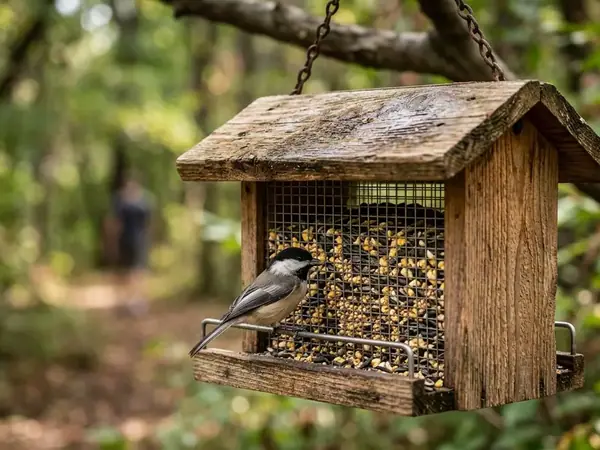
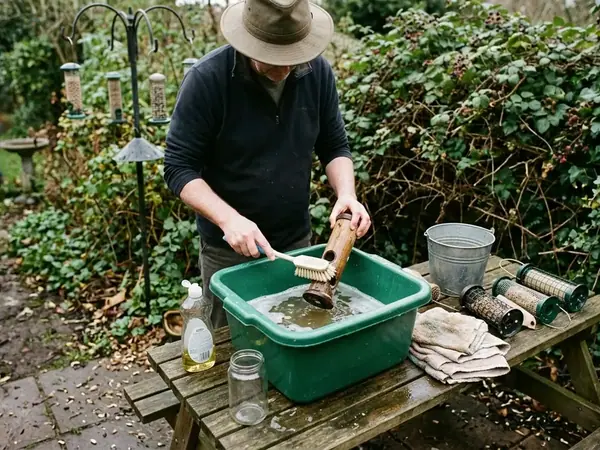
The quiet period from late morning through early afternoon is a good time for a calm inspection. Look for damp seed, clumped seed, a sour smell, blocked feeding ports, and hull buildup under perches. Those are fixable problems, and they deserve attention even if the lull itself is normal.
Then scan the approach route. Cat ambush cover can hide in ordinary yard features: low deck gaps, dense foundation shrubs, stacked firewood, or a fence corner directly below the feeder path. A sudden drop in visits after fresh seed is added can still happen if a hawk has been passing through, a cat is hiding near the approach path, or the yard has become noisy.
Note: If the feeder sits in direct harsh sun for much of midday, especially in warm weather, birds may shift visits toward cooler morning and late-day periods.
The Late-Day Push Before Nightfall
Late-day feeding is not just morning traffic repeated in reverse. It is preparation for the overnight fast.
Many birds use the last usable daylight to top off before dark. This can stand out in colder months, on shorter days, after a rainy spell clears, or when a windy afternoon finally settles. Watch the final hour to hour and a half before sunset and the pattern often becomes easier to read.
This is also when shy birds may take advantage of a quieter yard. Once mowing stops, doors stop swinging open, pets come inside, and children move away from the feeding station, the approach may feel safer.
Do chores before the last rush
If birds are still coming in, avoid major disruption during the final half hour or so of active use. Refill, sweep, or relocate items earlier in the afternoon when possible. That small timing choice keeps the last feeding window available without making the yard feel suddenly busy.
For most homeowners, this is one of the easiest habits to adopt: change the human schedule first, then see whether the bird schedule becomes clearer.
Species Do Not Share the Same Feeding Clock
One feeder can host several clocks at once. The mistake is reading total activity as if every bird made the same decision for the same reason.
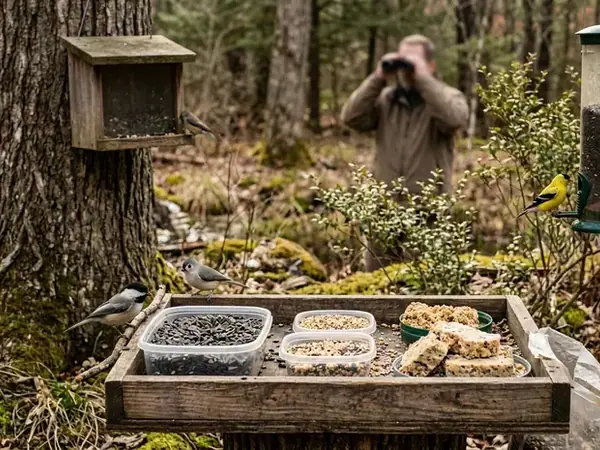
Woodpeckers at suet often make repeated stop-and-go trips. They may cling, feed, leave, and return, so the suet cage can look quiet between short visits. Finches behave differently. They may arrive in small groups and linger at tube or platform feeders, making activity look like a wave rather than a single-bird schedule.
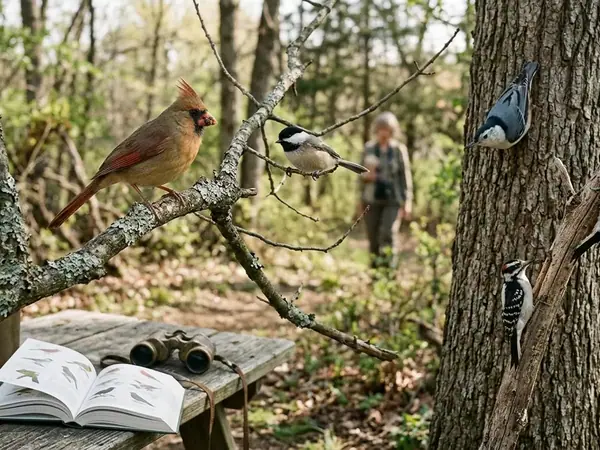
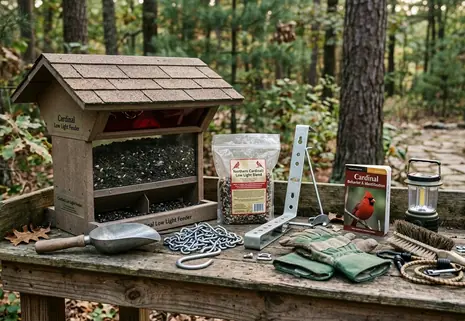
Cardinals add another layer. They often tolerate lower light at the beginning or end of the day, so a log that skips the first and last half hour or so of usable daylight can undercount their presence.
Read behavior, not just numbers
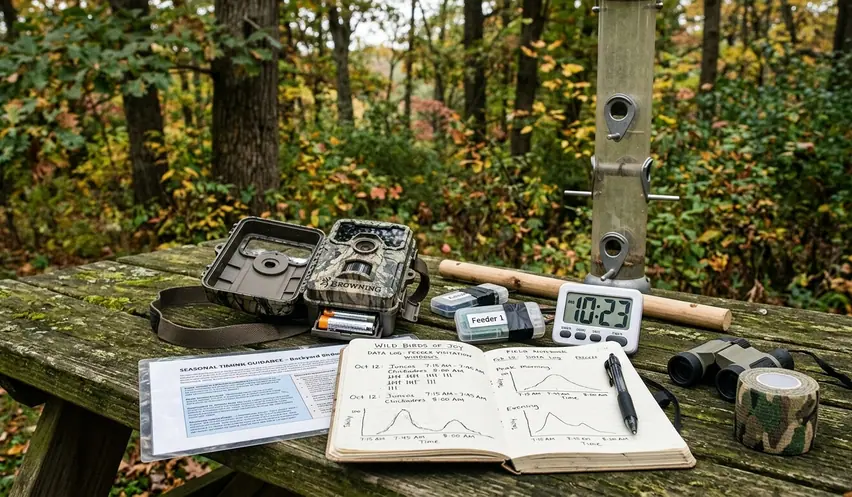
Record species and time together in 15-minute rows. Total feeder activity alone can hide the fact that different birds are using different parts of the day.
Flock behavior also changes the rhythm. Social species can arrive in waves because one bird’s movement cues others. Dominance plays a part too, though it should not be overstated. Larger or bolder birds may influence when smaller birds feel comfortable approaching, especially at tight feeders with few perches.
Take one small yard with a suet cage near a tree and a seed feeder beside shrubs. A woodpecker may use the suet in brief returns. Finches may settle in as a group at the seed feeder. A cardinal may wait low in the shrub line until the light softens. The feeder has not changed, but the birds are solving different problems.
Weather, Season, and Yard Layout Change the Schedule
Before blaming seed or feeder style, look beyond the feeder. Wind, rain, cold, snow, sudden temperature changes, seasonal food, cover, water, and household movement can all shift the day’s pattern.
After a storm front or heavy shower passes, activity may resume within the next hour or two if the yard becomes calmer and birds can move safely. On windy days, birds may favor lower cover or approach from sheltered angles. During cold snaps, morning and late-day feeding can feel more urgent.
Natural food can pull birds away
Seasonal foods change the value of a feeder. Insects during warm growing periods, seed heads in late summer and fall, and berries during parts of fall and winter can pull birds into the wider yard. That does not mean the feeder has lost its usefulness. It means birds have choices.
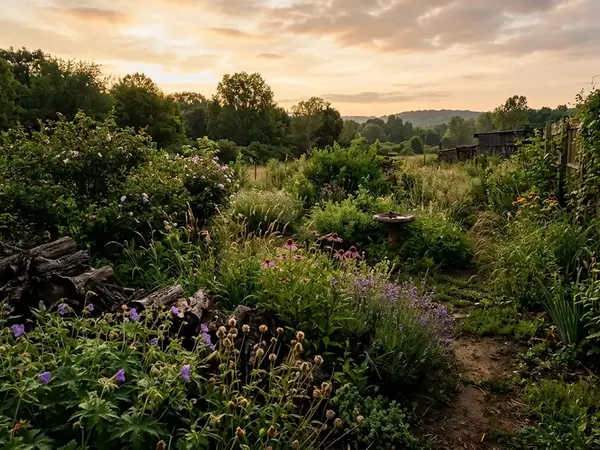
Yard design shapes confidence. Feeders near native shrubs, small trees, brush piles, or clean water may support more frequent visits because birds have cover and escape routes. The placement should not create a cat ambush point, though. Cover helps birds when it offers refuge without giving predators a hidden launch spot.
Clean feeders on a regular schedule and sooner after wet, warm, or high-traffic periods. Discard seed that is wet, sprouted, moldy, or stuck in clumps. A clean station will not control the weather, but it removes one avoidable reason for birds to pass by.
What Feeder Timing Can and Cannot Tell You
Feeder timing can suggest patterns. It cannot prove population health, exact wild food availability, or whether every nearby bird is thriving.
That limitation matters because one quiet day can feel personal. It usually is not. Birds may be using natural food, avoiding a predator, reacting to weather, or moving through a seasonal shift. Feeder timing describes activity at one yard under one set of conditions, not the full story of the neighborhood.
Use a seven-day log
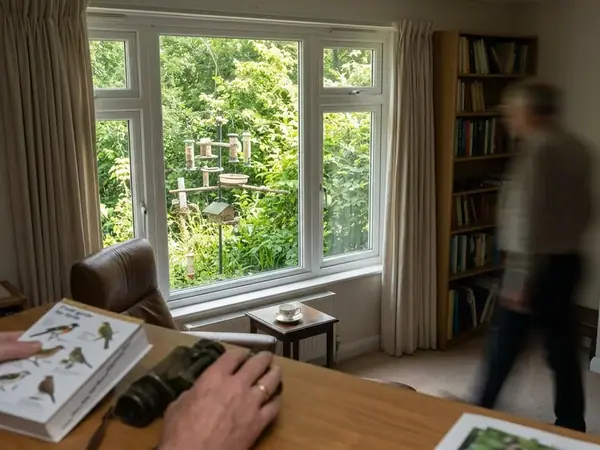
A simple seven-day feeder log keeps interpretation grounded. Make columns for date, observation time, weather, species seen, food type, feeder condition, and unusual disturbances. Include at least three daily entries when possible: morning, midday, and late afternoon.
Do not rely on one glance out the window. A single look can catch the feeder between waves, during a predator pause, or just after birds moved into natural food. Several short checks give a steadier picture.
Quick Tip: If visits suddenly drop, check four things in order before moving the feeder: weather shift, seed condition, recent disturbance, and predator activity.
Practical Takeaways for Watching Feeder Timing
The main pattern is straightforward. Morning feeding often follows overnight energy use. Midday can be quieter while birds rest, preen, drink, use natural foods, or avoid heat and exposure. Late-day visits may help birds prepare for night.
Watch at the same windows of time for several days in a row: first hour after sunrise, midday, and the last hour before sunset. Keep seed fresh. Clean feeders regularly. Note weather changes, especially wind, rain, sudden cold, or a storm that has just passed.
Improve the habitat, not only the menu
Adding more food is not always the best next step. Birds also need safe approach routes, cover, clean water, and places to retreat. Native shrubs, seed-bearing plants, brushy cover, and thoughtful feeder placement can make the whole yard easier for birds to use.
Place feeders where birds can reach cover without crossing a long exposed gap, but avoid setting them directly above places where cats can hide. Watch how birds approach, not just whether they arrive.
The reward for this kind of watching is quiet but real. The feeder becomes less of a mystery and more of a daily field note: light rising, wind dropping, sparrows waiting, finches gathering, a cardinal choosing the edge of evening.