The Hidden Risk in a Good Bird View
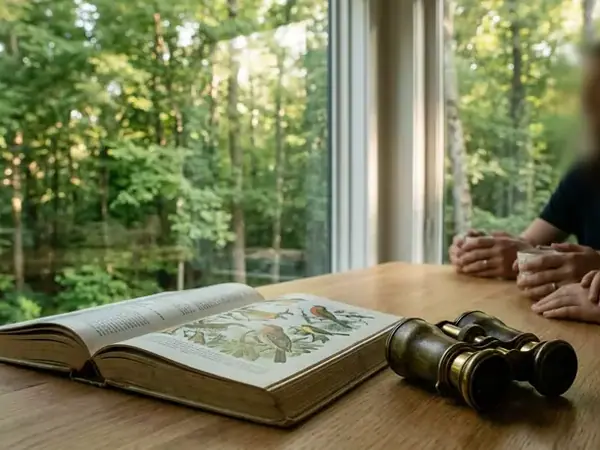
You are sitting in the family room. The east-facing window is bright with low morning sun. A feeder hangs just outside the view. Suddenly, a bird moves from cover toward what appears to be open sky, and you hear a dull thud.
Homeowners often discover the hidden risk of window reflections through these jarring moments. You might find a feather mark on the glass. Sometimes there is a powdery body outline left on the pane. Other times, you simply find a bird sitting motionless below the sill.
We can fix this. Making your home safer for backyard birds requires three straightforward actions. You need to inspect the reflection, adjust your feeder traffic, and make the risky glass visible from the outside.
Why Reflections Can Make Glass Look Like Habitat
Birds do not understand glass. They perceive reflected trees, shrubs, open sky, or indoor plants as reachable habitat rather than a solid barrier.
Certain home layouts create stronger illusions. Large picture windows and sliding glass doors present massive reflective surfaces. Sunroom walls and corner windows often show vegetation from two directions simultaneously. Any glass facing shrubs, tree gaps, or open sky carries inherent risk.
Light changes everything. A window that appears safe from indoors at noon may become a strong sky mirror during low-angle morning or late-afternoon light.
Indoor houseplants complicate the picture. Birds may see real leaves through the pane while also seeing reflected outdoor habitat on the surface. This double-layer of vegetation draws them in. The U.S. Fish & Wildlife Service guidance on reducing bird-window collisions treats these residential reflections as a preventable hazard around homes.
Do a Reflection Walk Around Your Home
You cannot evaluate window risk from your sofa. You have to look at the glass from the bird's approach path.
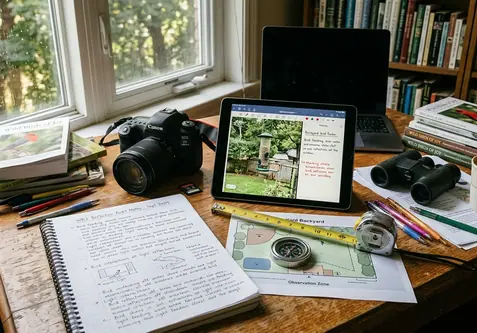
Walk the outside of your home at a low viewing height where it is safe to do so. Check your panes from the direction of shrubs, fences, feeders, baths, fruiting plants, and regular perches. Look for reflected branches, sky gaps, garden beds, and hanging baskets.
Run three checks on the same day when possible. Look in morning light, midday light, and late-afternoon light. If that schedule is impossible, repeat the walk across two consecutive days.
Quick Tip: Use removable painter's tape to mark suspect panes during your audit. Place temporary strips on the outside edge or frame. This lets your family compare windows before choosing a permanent treatment.
Prioritize panes that combine reflection with heavy bird traffic. A sliding door beside a feeder matters far more than a rarely approached attic window that only looks reflective from the driveway.
Feeder Placement: Close Viewing Without Creating a Flight Path Trap
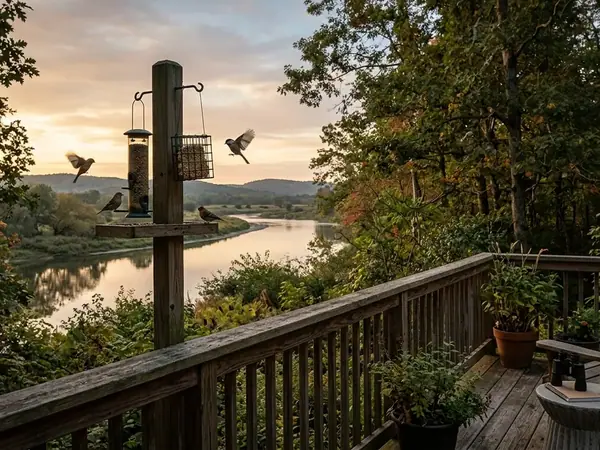
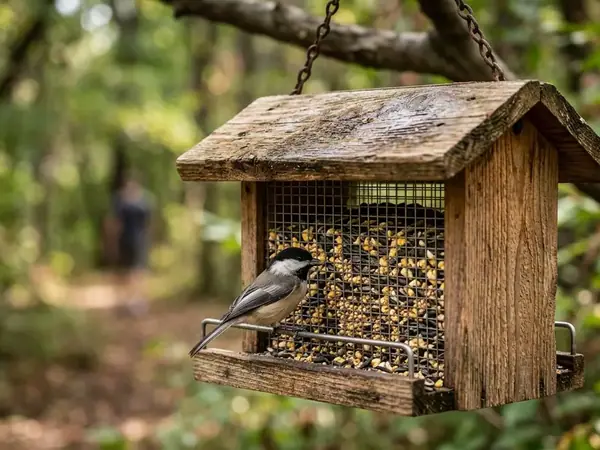
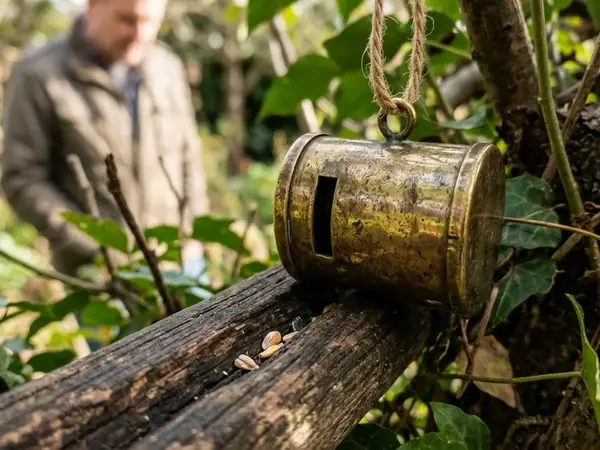
Feeder placement acts as your first line of defense. Birds make repeated short flights between cover, food, and windows.
Watch the repeated route birds take for several feeding visits. Track their movement from cover to feeder, feeder to branch, feeder to bath, or feeder toward a reflective door. Community observation suggests that interrupting this specific flight path reduces accidental strikes.
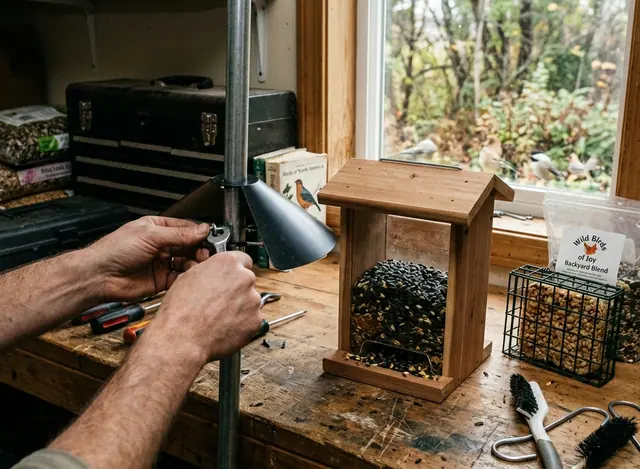
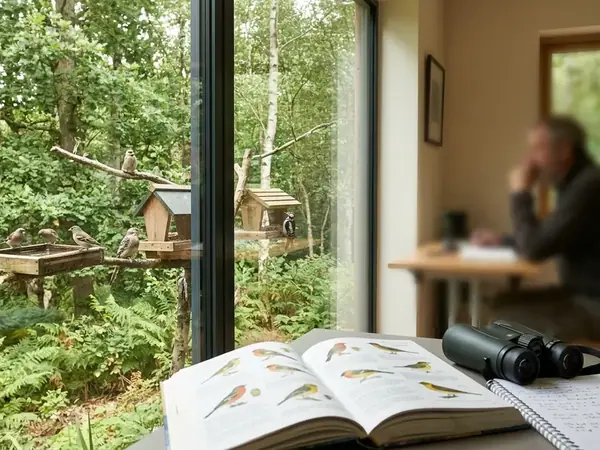
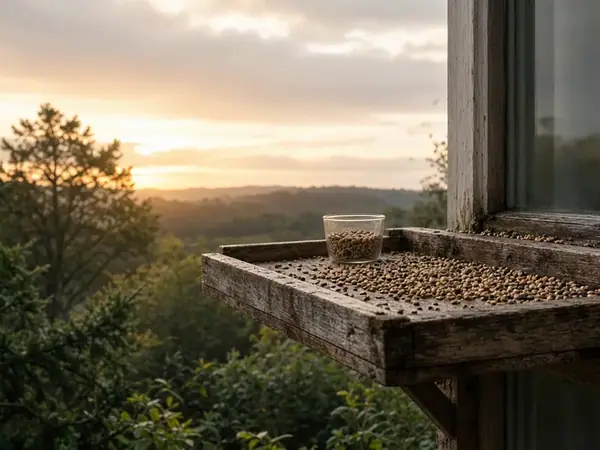
Window feeders offer incredible close-up views, but they require careful handling. The surrounding pane still needs exterior visibility treatment. A window feeder body does not erase the larger reflection around it. A durable acrylic window feeder can withstand normal handling while still sitting beside untreated reflective glass. Acrylic construction provides good weather resistance, but material strength does not by itself solve reflection risk.
Make Risky Glass Visible From the Outside
Treat the panes you identified during your reflection walk before worrying about every window in the house. The core principle is simple—treatments must interrupt the reflection on the exterior surface that birds see first.
Homeowners have several practical options. You can apply dense decal patterns, tempera paint marks, or exterior tape. Screens and netting set away from the pane work very well. Cords or other visible markers also break up the reflected opening.
The pattern must look interrupted from the bird's approach angle. It cannot merely look decorative from the room side.
A single decorative decal can fail on a wide sliding door because birds may still aim for the open-looking reflection around it. The spacing must be dense enough that birds do not perceive a clear fly-through opening.
Check your treatments after heavy rain, window washing, heat waves, and the first hard freeze. Peeling tape, loose cords, or missing decals should be replaced before the pane looks open again.
Safer Daily Habits for Backyard Birdwatching
Your behavior inside the house influences bird behavior outside. Calm observation prevents panic flights.
When birds are feeding close to the glass, avoid fast arm movements. Do not execute sudden curtain pulls. Stop children from rushing up to the pane.
Keep cats indoors or physically away from feeder areas. A predator rush sends feeding birds into a blind panic, often straight toward a reflective window or door.
In wet weather, remove clumped seed and hull buildup promptly. This prevents birds from being forced into dense ground traffic near patio doors.
Re-check your windows as the seasons shift. Leaf drop changes the reflection entirely. The first bright snow cover alters the light. Spring and fall migration bring new, unfamiliar birds into the yard. Evenings, when indoor lights turn glass into a mirror, require drawn blinds.
What This Guide Can and Cannot Promise
No home setup can guarantee that a bird will never strike glass.
While these exterior treatments significantly disrupt the illusion of open space, this guide is strictly for backyard and household birdwatching choices, not professional building design, wildlife rehabilitation, or legal compliance advice.
Feeder material, brand identity, online fulfillment, shipping speed, and coupon timing do not replace exterior glass treatment. Acrylic construction helps a feeder survive ordinary use and cleaning. Collision risk, however, is shaped entirely by placement, reflection, cover, traffic patterns, and upkeep.
If a Bird Hits a Window: First Steps
Sometimes, despite your best efforts, a strike happens. Keep your response calm and sequential.
Move children, dogs, and cats away from the strike area immediately. Reduce noise and foot traffic around the bird.
If the bird is upright but stunned, observe from a distance. Protect it from predators, sun exposure, cold, or driveway traffic while seeking local guidance.
If the bird is bleeding, drooping a wing, lying on its side, unable to perch, or not flying after a short recovery period, you need professional help. Contact a licensed wildlife rehabilitator or your local wildlife agency. Do not attempt to provide food, water, medication, or home treatment.
One thing to watch: Treat the struck pane the same day if possible. Repeated collisions frequently occur at the exact same reflective window.
Summary
Safe birdwatching relies on routine attention. You can maintain a safer yard by repeating a simple action sequence as the seasons change.
Bird-Safe Window Watching Checklist
- Inspect: walk outside and view each pane from likely bird approach paths.
- Mark: use removable painter's tape on suspect windows during the audit.
- Treat: add exterior-visible patterns, screens, netting, cords, or tape to the highest-risk glass first.
- Observe: watch feeder routes and identify panic triggers during normal bird activity.
- Adjust: change placement, perform maintenance, and run seasonal checks as your yard changes.