Introduction: A Bird-Friendly Backyard Does Not Need to Be Large
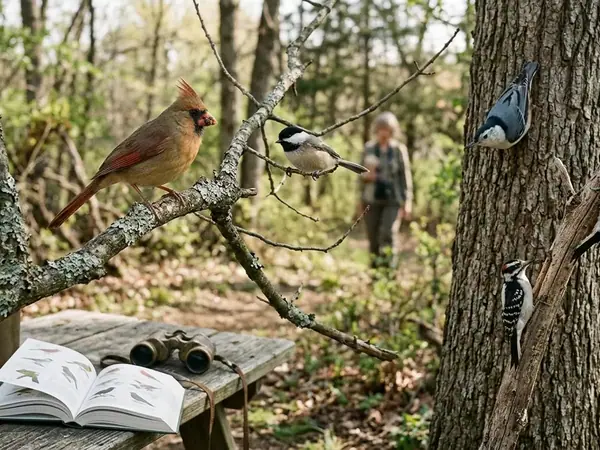
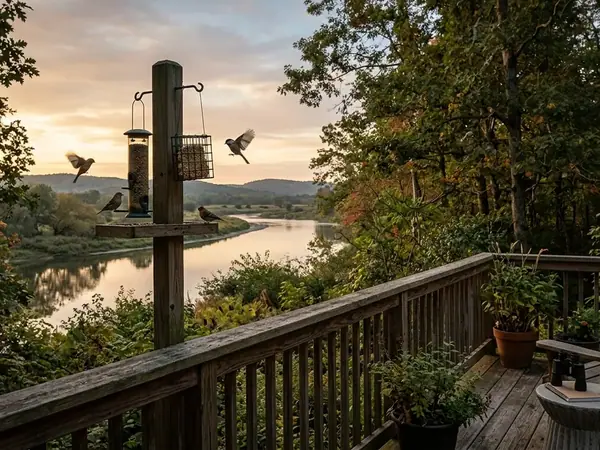
Wild birds bring daily moments of wonder to porches, patios, gardens, and kitchen windows. A bird-friendly backyard does not need to be large to support local wildlife. Even a balcony rail, a 6- to 10-foot patio edge, a narrow side yard, or a small lawn visible from a kitchen window can offer food, cover, water, and safe observation points. The goal is not to attract the most birds—it is to create a safer and more reliable microhabitat.
Building this environment requires a deliberate sequence. We will observe the space, place cover, decide on feeding, add water, reduce hazards, and finally establish a routine to maintain the setup. By following this progression, you build a foundation that supports wildlife without overwhelming your available space. Success looks like quiet daily observation. You might watch a chickadee from the breakfast table, notice a finch after work, or do a 10-minute weekend check to see who visited the water basin.
Start With a Five-Minute Backyard Audit
Map bird movement before buying hooks, seed, pots, or a bath. Standing in the yard and conducting a five-minute audit forces you to choose one reliable viewing zone. Spend the first 60 seconds observing sunlight and shade patterns across the space. Spend the next 60 seconds feeling the wind exposure to understand where a hanging feeder might swing violently. Dedicate another 60 seconds to looking at existing cover, such as shrubs or fence lines. Spend the fourth 60 seconds checking windows and reflections that could confuse approaching birds. Finally, spend 60 seconds noting pets, foot traffic, and property rules.
Small spaces require focused decisions. For a balcony, the primary viewing zone might be one railing corner plus a wall-side container instead of utilizing the whole rail. For a townhouse fence line, place the first habitat cluster where it can be seen from one indoor seat and reached easily with a small broom or watering can.
Quick Tip: Check your lease, HOA, or building rules before installing screw-in hooks, rail-mounted bowls, hanging feeders, or anything that drips onto a lower unit.
Use Containers, Edges, and Vertical Layers for Shelter
Structure comes first. Combine low cover, mid-height stems, and a perch-like layer so birds can move through the space safely. A small layered cluster can be as simple as one wide container planted with grasses or perennials, one taller shrub container pushed against a wall or fence, and one nearby perch such as a trellis, twiggy stems, or an existing railing.
Container selection dictates stability. Use heavy pots that will not tip in normal wind. A 16- to 24-inch-wide container is often more stable and forgiving than a narrow decorative pot, providing enough soil volume to insulate roots during temperature swings. Leave seed heads standing through the cool season where they do not block walkways or violate tidiness rules. You can cut them back in late winter or early spring as local plant growth resumes.

Plant selection matters just as much as the physical pots. Native plants support local wildlife better than many ornamental plantings because they are matched to local insects, seasons, and bird behavior. Review the U.S. Fish and Wildlife Service guidance on native plants to identify species appropriate for your region. Avoid invasive vines, berrying shrubs known to spread locally, and stuffing a tiny patio so densely that birds have no clear flight path to escape.
Add Feeders Only Where You Can Keep Them Clean and Safe
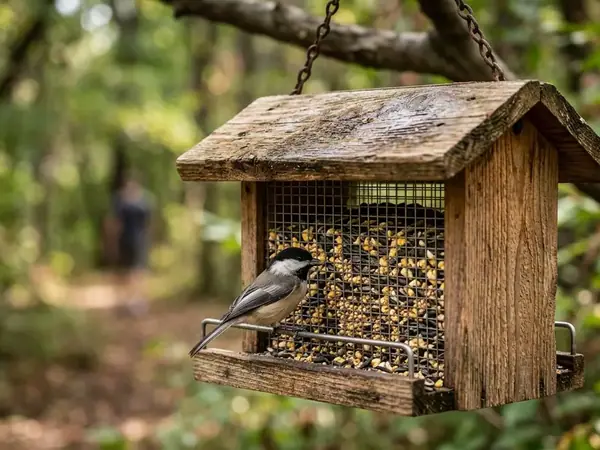
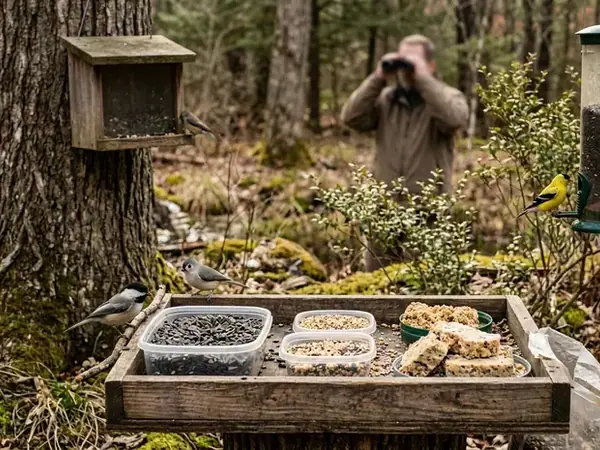
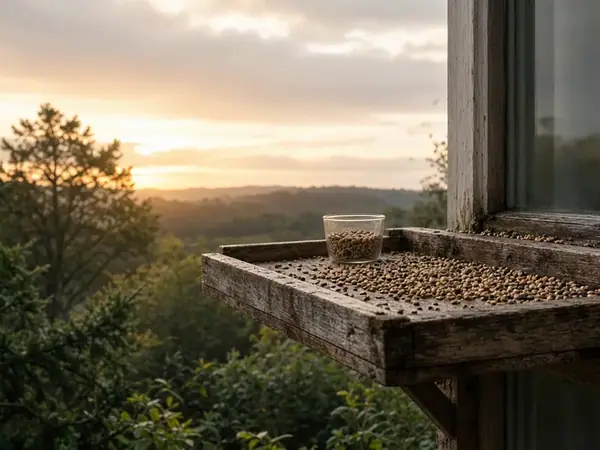
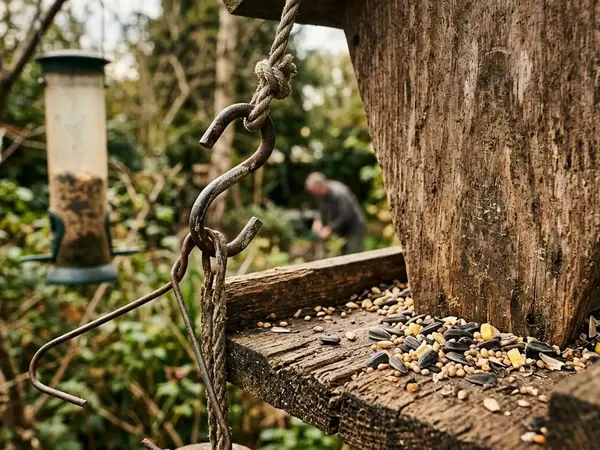
Feeders are optional. Habitat structure should always take priority when space is limited. Choose one feeder type first, watch how birds and mess develop, and only then decide whether another is needed. Compact options serve different purposes. A tube feeder works well for small seed, while a small hopper handles mixed seed. A suet cage provides energy during cold-season or woodpecker activity. A tray should be used briefly and sparingly. A window feeder allows for close viewing.
Placement dictates maintenance. Position feeders where they can be seen from indoors and cleaned without stepping through planted beds or across outdoor seating. Avoid putting a feeder directly above a chair, grill, dining table, or children’s play spot because hulls and droppings will inevitably collect below.
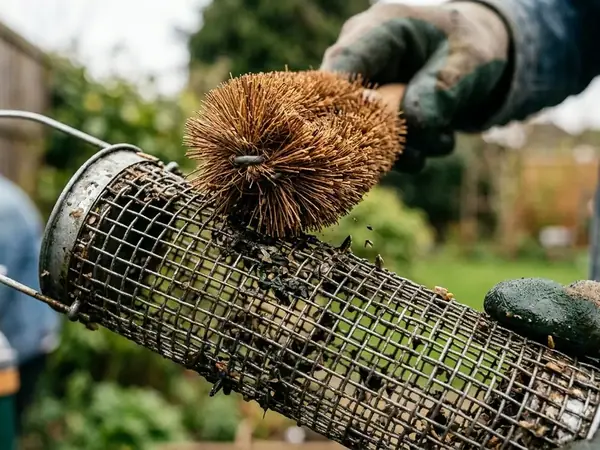
During practice, we tried filling a balcony window feeder to the brim before a rainy weekend. It failed completely. The seed swelled, and wet hulls pressed against the glass, making the setup less healthy and harder to clean than having no feeder at all. We switched to refilling window feeders lightly and removing wet seed the same day it is noticed. Use a 7-day check cycle as the default for feeder surfaces, with faster cleaning required after heavy rain, visible droppings, sticky seed, or crowding.
Offer Water in a Way That Fits the Space
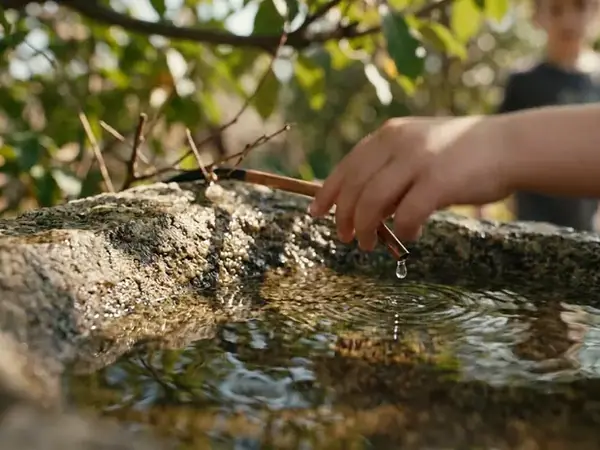
Choose water features based on cleaning access and stability, not decoration. A basin you can empty, scrub, refill, and move safely provides far more value than an ornate feature that grows stagnant. Suitable small-space choices include a shallow birdbath, a saucer-style basin on a plant stand, a railing bowl with a secure mount, or a heavy ceramic dish set on a stable patio surface.
Keep water shallow enough for small birds to stand near the edge. A depth of roughly 1 to 2 inches with a stone or rough-textured insert is a practical target. Place the basin where you can reach it with one hand while holding a brush, pitcher, or hose in the other.

Refresh water every 1 to 3 days in warm weather, or sooner if leaves, droppings, algae film, or mosquito activity appear. Context drives this routine. A shaded courtyard may need water refreshed for cleanliness more than evaporation, while a sunny paved patio may dry a shallow dish in a single hot afternoon. Placing the basin in a half-shaded spot during the hottest part of the afternoon can slow heating and evaporation compared with a fully exposed paved corner.
Reduce the Hazards That Matter Most in Tight Spaces
Prioritize hazards that become more intense when birds are invited close to the house. Glass, pets, ambush cover, chemicals, and night lighting all pose elevated risks in compact yards. Window risk must be addressed before placing a feeder, bath, or perch near glass because birds may launch from these spots directly toward reflections.
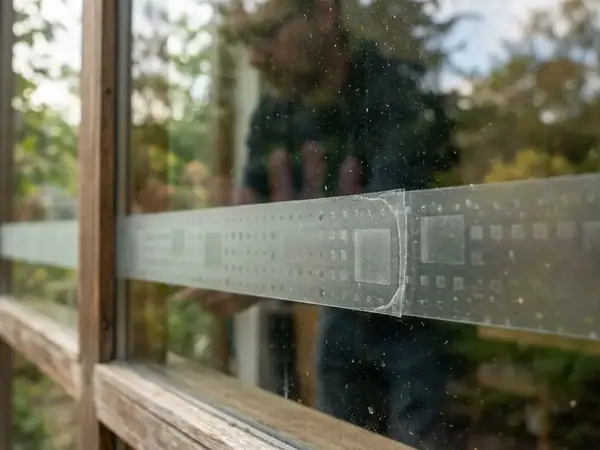
Use visible exterior window treatments such as closely spaced decals, tape, screens, cords, or film. Keep gaps small enough that a bird does not perceive a clear flight opening. Many collision-prevention guides recommend marks spaced about 2 inches apart.
Note: Exterior placement matters because reflections occur on the outside surface of the glass. Interior blinds or decals often fail to break the mirrored reflection of trees and sky.
Address cats and dogs by supervising pets and keeping feeding stations away from dense ambush cover. A ground-level tray placed beside dense ornamental grass may attract birds but also gives a roaming cat or small dog an easy patrol route. Reduce routine pesticide or herbicide use around feeding, bathing, and foraging areas. If treatment is absolutely necessary, follow the product label strictly and keep feeders and water completely out of the treatment zone.
What a Small Backyard Can—and Cannot, Do
A small habitat patch can support visiting birds, but it cannot replace larger connected habitat. Setting realistic expectations prevents frustration. Bird activity can change noticeably over a 3- to 6-week span as migration, nesting, weather, and neighborhood food sources shift. A yard near mature trees, a creek, or several planted neighboring lots will usually behave differently from a paved courtyard surrounded by glass and traffic.
Not every yard should use every feature. Renters and high-rise balcony users may need to rely on one container, one safe water dish, or no feeder at all if building rules or sanitation issues are strict. If a setup causes hull buildup, aggressive crowding, pet conflict, or repeated window strikes, scale back the feature that is creating the problem before adding anything new. This guidance is site-specific; local bird species, climate, predator pressure, building rules, and nearby habitat should decide which features belong in the final setup.
A Simple Weekly Rhythm for a Bird-Friendly Small Space
End with a rhythm you can actually keep. The maintenance plan should be small enough for a weeknight or weekend morning, with observation treated as part of care rather than a separate hobby task. During wet stretches, inspect feeders and seed every 1 to 2 days because clumping, sour smells, and damp hulls can develop quickly in small enclosed spaces. During hot dry spells, check shallow water daily if the basin sits on pavement, stone, or a balcony surface that heats up rapidly.
Small-Backyard Bird Habitat Weekly Check
- Refresh water and scrub the basin if it feels slick.
- Look under feeders for hull piles, wet seed, or droppings.
- Check feeder seed for clumps, mold, sour smell, or insect buildup.
- Confirm birds have nearby cover but no hidden ambush spots for predators.
Follow a seasonal loop to keep the habitat thriving. Plant during the local planting window, leave tidy seed heads when practical, reduce feeding if mess or crowding increases, and reassess window reflections as sun angles change throughout the year.
Summary: A useful bird space may look like a few pots, a clean basin, one safe feeder, and a quiet viewing spot. Start small, prioritize safety, use vertical layers, keep feeding clean, and let observation guide your changes.