Opening Argument: The Window Is Enough
I do not think backyard birdwatching is a lesser version of field birding. I think it is a serious practice of attention, just set closer to the sink, the coffee mug, and the half-open notebook on the counter.
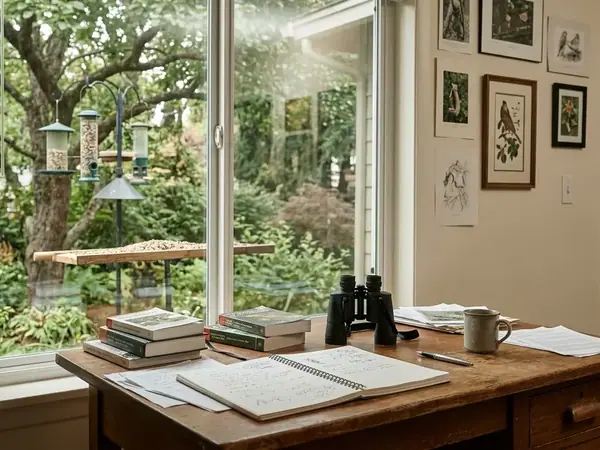
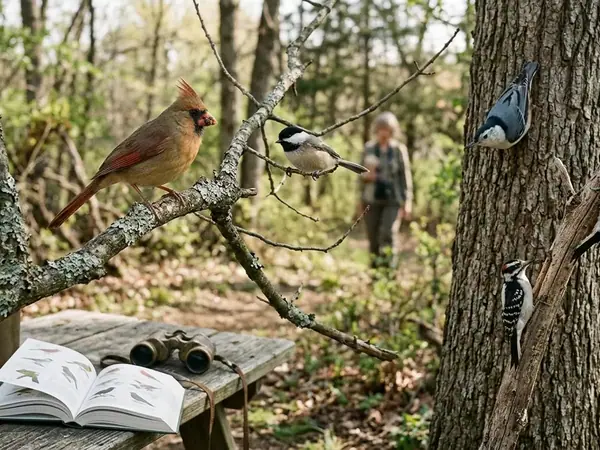
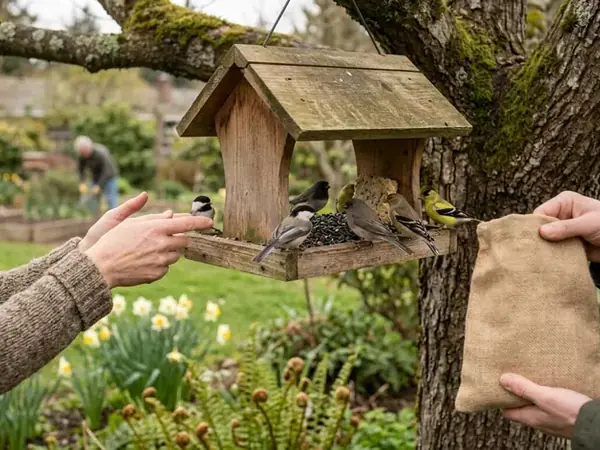
The kitchen window is enough because the birds are not performing a smaller life there. A pair of cardinals may work the edge of the yard with the same caution they would use at a hedgerow. Chickadees still make those quick, bright decisions: land, take one seed, leave. Sparrows still turn shrubs into a waiting room before they step into the open.
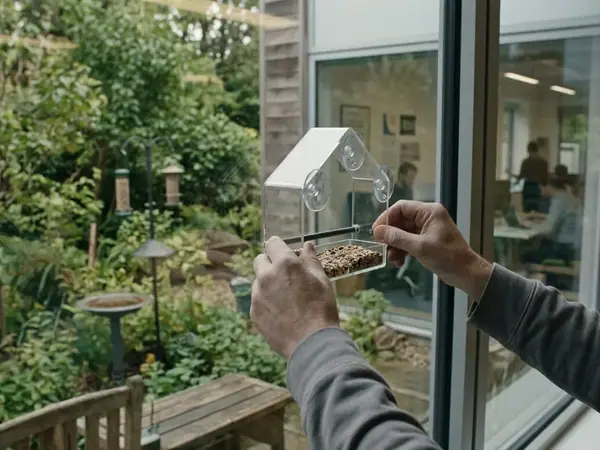
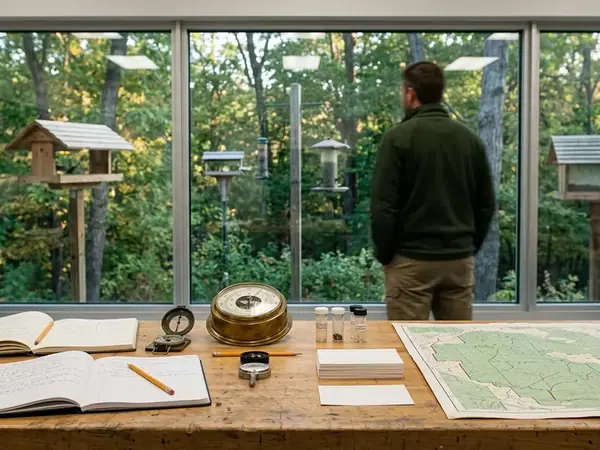
That is the view I want to defend here. A feeder about 6 to 12 feet from a window. Morning light. A pencil nearby. The first 20 to 45 minutes after the household wakes, when ordinary birds begin to reveal their habits.
At Wild Birds of Joy, that home view matters because it keeps the work practical. Clean the feeder. Notice window reflections. Choose seed carefully. Teach beginners to watch before they interfere. This is not competitive list-chasing, and it does not need to be. The point is not to collect sightings like trophies. The point is to become responsible for the small patch of life you keep inviting closer.
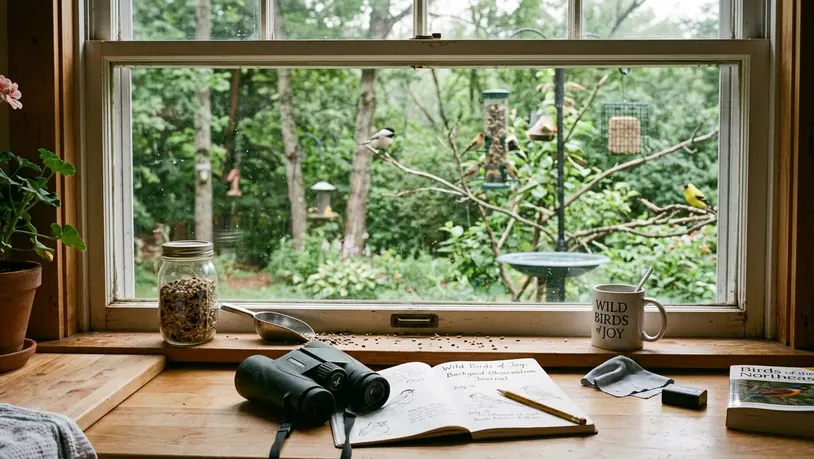
The Window Turns Observation Into a Daily Practice
Home birdwatching works because it repeats.
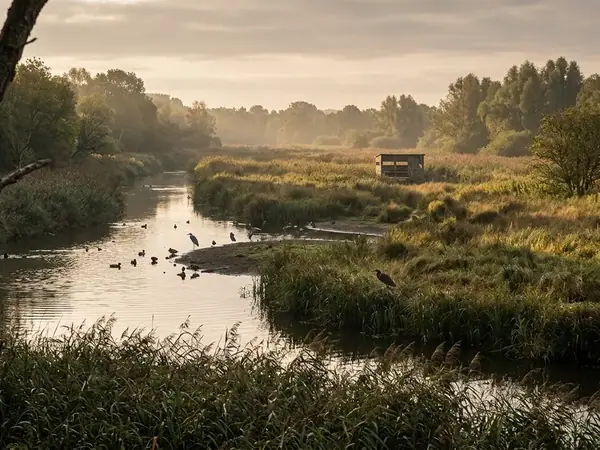
A field outing may bring richer habitat and more species, but the window gives you continuity. Same chair. Same feeder. Same patch of sky. That sameness is not boring for long, because the birds keep changing the pattern.
A small rhythm that actually holds
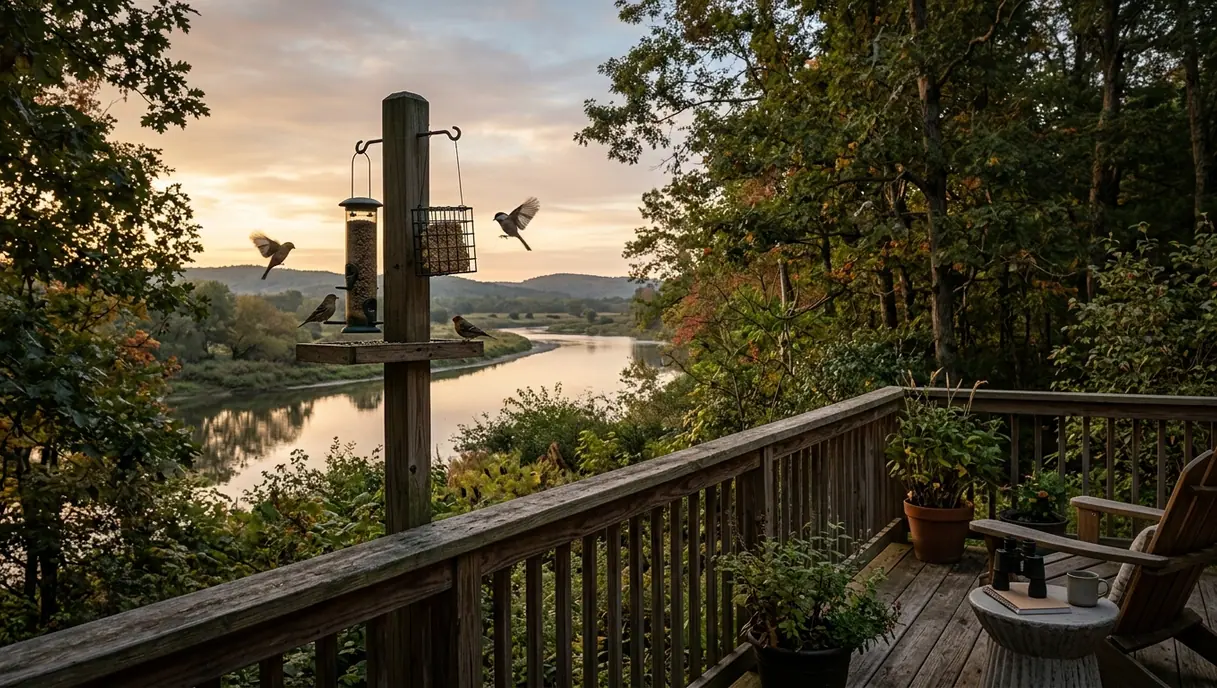
A useful routine can stay modest: check the window for 10 to 15 minutes in early morning, glance again around midday if the feeder is active, and make one short dusk observation. That last look often matters. Cardinals and other cautious birds may reappear when the light drops and the yard feels less exposed.
The notebook does not need special language. I like entries that leave room for the obvious:
- Date
- Rough weather
- Feeder condition
- First bird seen
- Dominant bird
- One behavior that changed from the previous day
That last line is where the practice begins. Maybe the chickadees are bolder after a dry morning. Maybe sparrows wait several minutes in the shrubs before feeding. Maybe yesterday's dominant bird is absent, and the whole yard feels rearranged.
Summary: The value is not rarity. The value is noticing that the same yard is not actually the same from one morning to the next.
Small Birds Make the Household Pay Attention
Backyard birdwatching fits family life because nobody has to pack a bag or pass a test.
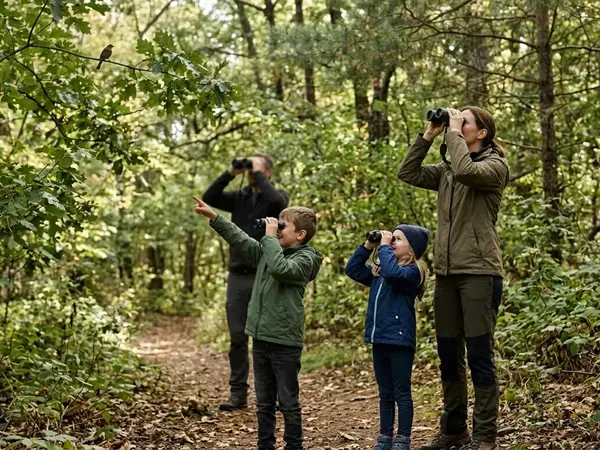
A child can pause breakfast and ask why the chickadee keeps flying away with one seed. Someone else can lower their voice because a cardinal is near the feeder. An adult can notice that yesterday's rain left seed stuck in the tray and decide the feeder needs attention before it needs refilling.
Low-pressure participation
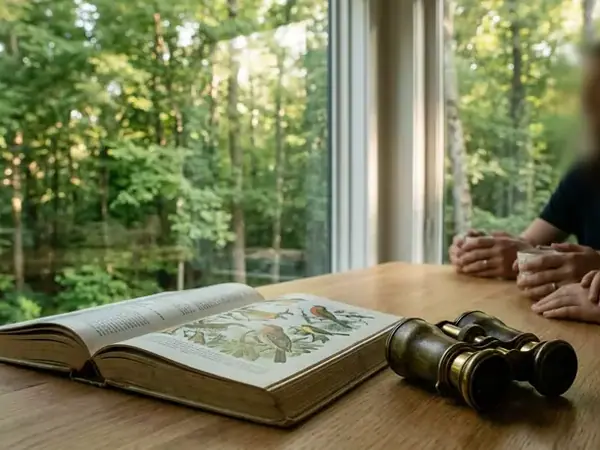
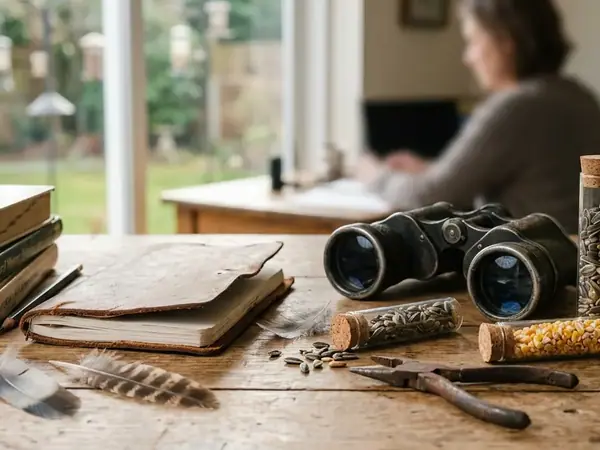
The basic kit is almost plain: a clean window view, a feeder or bird-friendly planting, a pencil, and a notebook page divided into morning, afternoon, and evening. Binoculars are helpful, but they are not the door into the practice. Curiosity is.
The best household questions stay simple. Which bird waited longest? Did the wind change where they perched? Is the feeder clean enough to keep using today?
Those questions do not turn children into experts overnight. They do something gentler. They teach the household to slow down around living things. They make the yard feel shared rather than owned.
I avoid treating this as therapy or making neat claims about what birdwatching fixes. Some mornings are still hectic. Some children lose interest after a minute. Still, a bird at the window changes the room. People look up. They speak more softly. They start caring about details they used to miss.
Comfort Has Rules: Feed and Watch Without Harm
Here is the turn in the story: attracting birds is not just charming. It creates obligations.
If we invite birds close, then feeder hygiene, seed freshness, window safety, and predator risk become part of the pleasure itself. Care is not the dull chore after the joy. It is how the joy stays trustworthy.
Feeder care is bird care
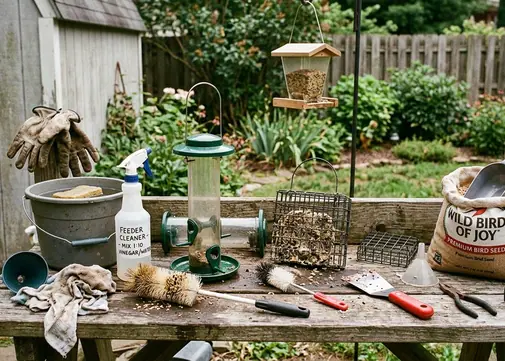
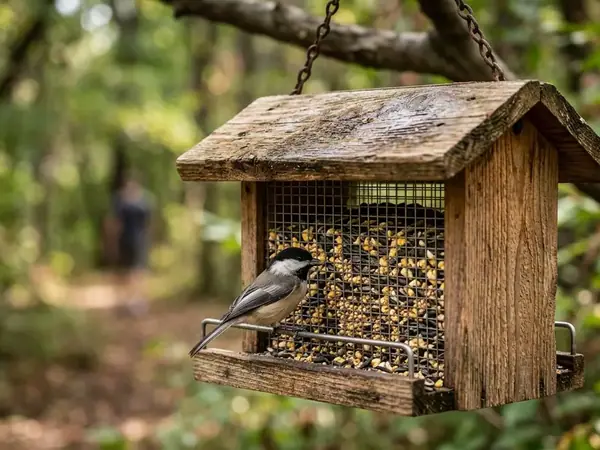
Empty old seed before refilling. Discard seed that smells sour or has visible mold. Scrub trays and ports when residue builds up, then let the parts dry before adding fresh seed.
Wet weather deserves extra attention. After a few days of rain, check tube ports, tray corners, and hull piles. Damp seed can clump exactly where birds stand and feed, which turns a welcome setup into a risky one.
Quick Tip: If a feeder becomes dirty, wet, or crowded, pausing feeding for a few days is safer than keeping a risky setup active.
Windows, cats, and crowded spaces
Watch the glass, too. Reflections can make a window look like open habitat, especially from a bird's angle. The U.S. Fish & Wildlife Service offers guidance on reducing bird collisions with buildings and glass, including practical attention to glass, screens, decals, and feeder placement.
Predators matter as well. Keep cats indoors or directly supervised when birds are feeding. Avoid placing seed where birds must feed on open ground beside dense ambush cover. A yard can offer comfort and danger at the same time, so placement matters.
What Home Birdwatching Can—and Cannot, Do
The counterargument deserves respect. Watching common backyard birds can look small compared with habitat protection, policy work, field conservation, and the hard labor of trained wildlife care.
It is small, in one sense.
But small does not mean empty. Seeing fewer birds at the feeder during a stretch of hard rain can make weather feel less abstract. Finding a stunned bird near a reflective window can make glass safety feel urgent. Realizing that an untended feeder has become dirty can move responsibility out of theory and into your hands.
Where the boundary sits
This article is about ordinary home observation, responsible feeding, and bird-friendly habits. It is not about formal population monitoring or wildlife rehabilitation.
Note: This argument applies to home observation and responsible feeding; it is not a complete ecological solution, a guarantee of bird health, or a substitute for expert rehabilitation and local wildlife regulations.
If a bird is injured, stunned, or visibly sick, do not turn it into a backyard learning project. Follow local wildlife rules or contact an appropriate licensed rehabilitator or local authority. That boundary matters because affection can make people rush in when the better response is careful escalation.
Home birdwatching cannot do everything. It can, however, make conservation personal enough that people stop ignoring the ordinary decisions right in front of them.
A Quieter Kind of Birding Culture
Birding culture should make room for people who learn slowly from one yard, one window, and one familiar flock.
There is honor in the long trip and the skilled field list. There is also honor in the notebook left near the kitchen window, the feeder checked before breakfast, and the familiar birds arriving in a slightly different order than yesterday.
Slow learning changes behavior
The changes may look humble. Someone chooses not to refill a dirty feeder. Someone moves a chair to reduce window glare. A family plants cover instead of only adding seed. Children learn to watch quietly before stepping outside.
Those are not dramatic gestures, but they are real ones. They come from attention repeated often enough to become care.
That is why watching backyard birds still matters at home. The joy is everyday, yes, but everyday joy can still shape how people behave toward living things nearby.
Watching birds at home matters because attention is often the first step toward care.