Why Feeder Durability Is About More Than Looking Sturdy
The review lens starts from the failure points a backyard owner actually notices during refilling. A lid no longer seats squarely. Seed stays damp in a corner. A perch wiggles, or a clear tube develops a jagged crack. We judge a feeder by material, joinery, drainage, cleanability, weather exposure, pest pressure, and replacement-part availability.
Durability operates as a safety and care issue rather than just a cost concern. Damaged feeders hold wet seed, expose sharp edges, and become difficult to sanitize. Inspect the feeder after the first sustained rain of the season and again after a freeze-thaw stretch of a few nights. Small cracks and loose seams often show up only after water has expanded or dried inside them.
Common failure locations to check first are the roof hinge, hanger loop, feeding ports, lower seed tray, tube end caps, and any seam where hulls collect.
Materials That Survive Sun, Rain, Ice, and Daily Use
Material is assessed separately from appearance—a feeder can look heavy on the shelf but still fail if the tube is brittle, the coating chips at the ports, or the roof flexes around the hanger. A metal feeder is not automatically durable; chipped coating around ports or lid hinges can expose rust-prone areas exactly where birds feed and owners handle the feeder. Powder-coated metal remains strongest when the coating stays intact around port openings, perch holes, lid rims, and hanger hardware.
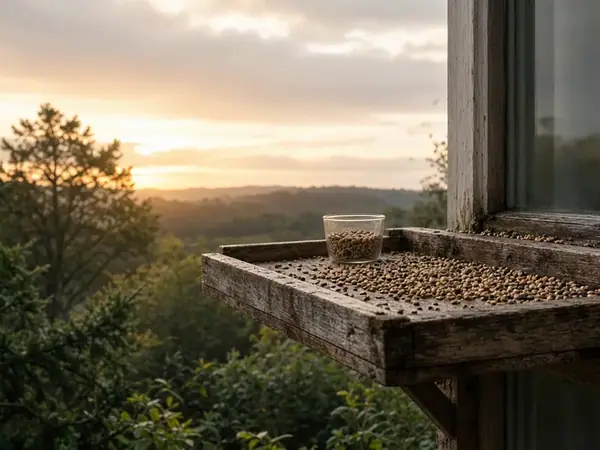
Recycled plastic lumber serves as a highly reliable choice for tray, hopper, and platform feeders. It does not swell like untreated wood and can usually be scrubbed without raising the grain.
A cedar hopper can outlast cheap plastic in one yard but need more screw and seam checks in a shaded, damp yard where wood dries slowly. Cedar should still be checked at screw heads, roof corners, and end grain after roughly two months of wet or high-sun exposure, even though the wood itself is naturally weather-tolerant.
Clear plastic tubes and seed windows should resist light thumb pressure near the port openings. Brittle, thin, or already cloudy panels make poor candidates for years of outdoor exposure.
Small Hardware Details That Decide How Long a Feeder Lasts
Durability Under Squirrels, Larger Birds, and Everyday Impacts
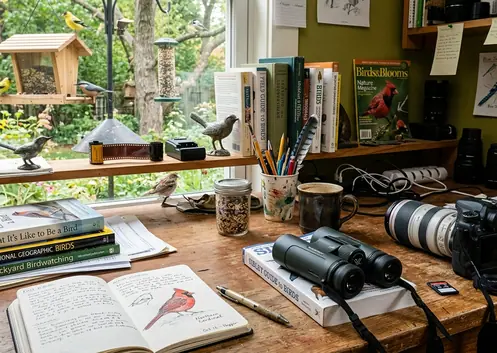
Hardware functions as a load-path issue, not a cosmetic detail. The hanger, lid fastener, hinge pin, perch attachment, and port collar receive twisting, tugging, seed weight, and wind stress. Group sessions showed that many buyers miss these hidden durability features entirely.
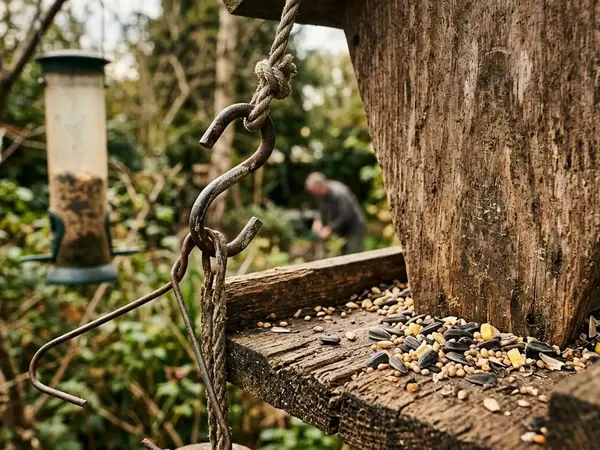
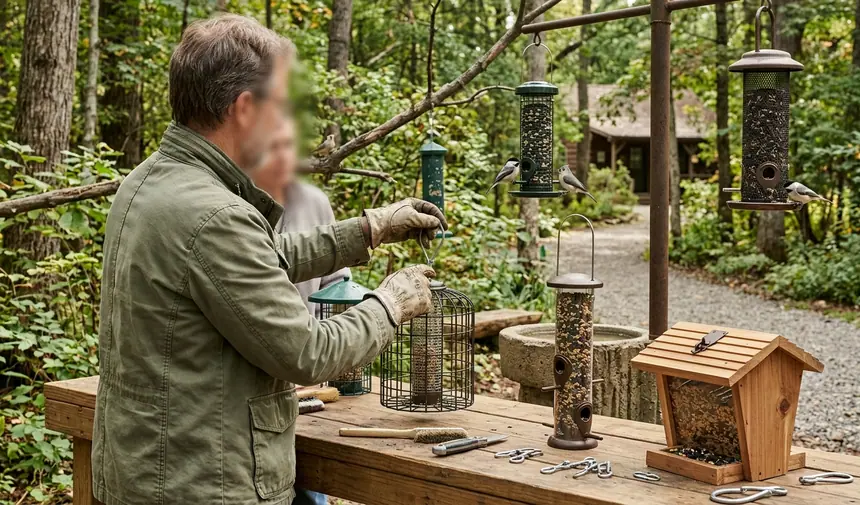
For a buyer check, hold the empty feeder by the hanger and shake it gently for a few seconds. Rattling panels, shifting roofs, or wobbling hooks indicate stress points that may loosen further once seed is added.
The hanger acts as a critical load point. A filled tube or hopper feeder puts several pounds of steady load on the top connection. A thin wire loop crimped into soft plastic feels less reassuring than a reinforced eye, cable, or metal bracket. Stainless steel, brass, aluminum, or well-protected coated hardware outperform thin, exposed steel.
Standard screws are easier to service than hidden staples, glued caps, or proprietary clips. This becomes especially important when a perch or tube needs replacement after chewing or cracking.
Roofs, Seams, and Drainage: The Weatherproofing Trio
Weatherproofing is judged by following the path of water through the feeder. We look at where rain lands, where it runs, where it can pool, and whether it has an exit before seed swells or hardware corrodes. The best durable feeder does not simply block rain; it gives water a clear path out.
During practice, a realistic review scenario involves about a week of intermittent rain, wet seed hulls, and overnight dampness rather than a single sunny-day inspection. Good roof design features wide overhangs, sloped surfaces, snug but accessible lids, and fewer horizontal ledges where water can sit.
A feeder with a broad roof can still fail early if the base has a raised rim that traps wet hulls for several days after rain. Good drainage remains visible from below. Open mesh, spaced floor slats, or clear drain holes should sit at the lowest points rather than above a raised lip that traps water.
Cold-weather stress is most likely in tight lower seams, snap-fit plastic bases, and closed corners where meltwater can freeze overnight and expand before the feeder is opened again.
Cleanability Is a Durability Feature, Not an Afterthought
Cleanability operates as a core part of durability because a feeder that traps residue effectively ages faster in real use. A feeder that cannot be opened, scrubbed, rinsed, and dried easily has a shorter safe working life.
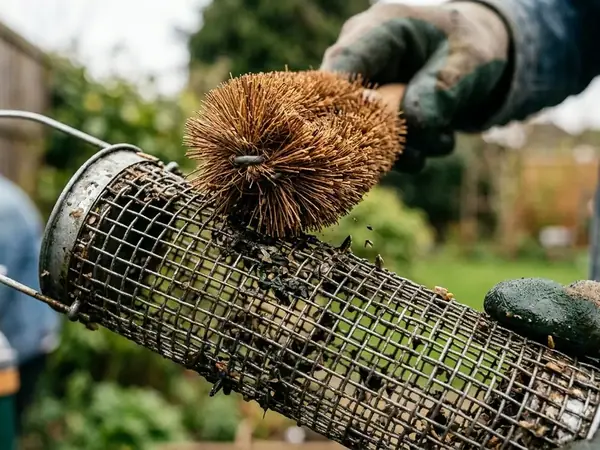
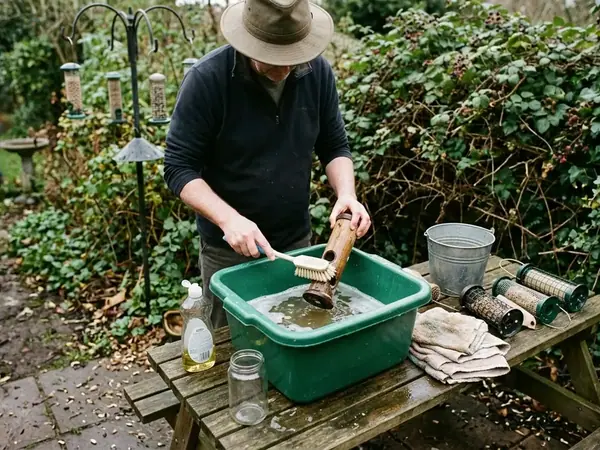
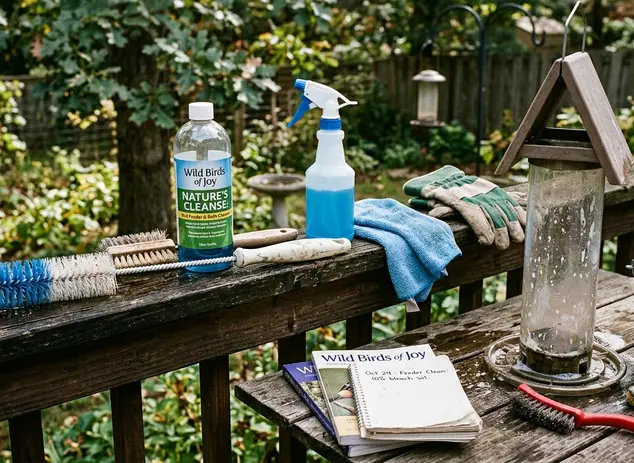
For seed feeders in active use, a realistic cleaning interval is every week or two. You must clean sooner when seed gets wet, when birds are using the feeder heavily, or when residue is visible. Prioritize removable bases, wide tube openings, smooth interior walls, and corners reachable with a bottle brush or dish brush over decorative trim.
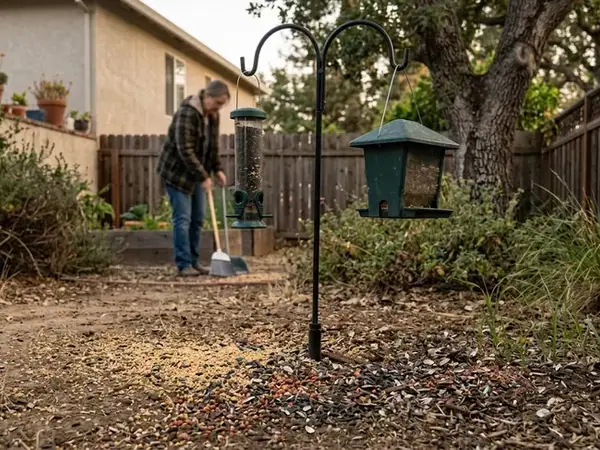
Narrow tubes, fixed bottoms, tiny seed channels, and decorative crevices look fine when new but become frustrating after seed dust and damp hulls build up. After washing, parts should be left open until visibly dry. In cool or humid weather, that can take most of a day for enclosed tubes, wooden corners, or layered bases.
An ongoing university-affiliated feeder monitoring program advises keeping feeders clean to protect local flocks. You can review the Project FeederWatch guidance on maintaining a safe feeding environment to understand why sanitation makes a design truly durable.
Wildlife pressure is evaluated by matching damage risk to placement. A backyard feeder faces more than weather—squirrels chew edges, larger birds stress perches, raccoons pull at lids, and falling branches dent roofs. A feeder beside a deck rail, shrub, fence, or low branch experiences a higher-abuse setup than the same feeder on an isolated pole.
Community observation suggests chew damage commonly appears first on roof lips, port collars, plastic corners, lid tabs, and exposed seed windows. Durable anti-damage features include metal port guards, chew-resistant roof edges, locking or weighted lids, reinforced bases, strong hanging cables, and pole mounts that do not rotate under hand pressure.
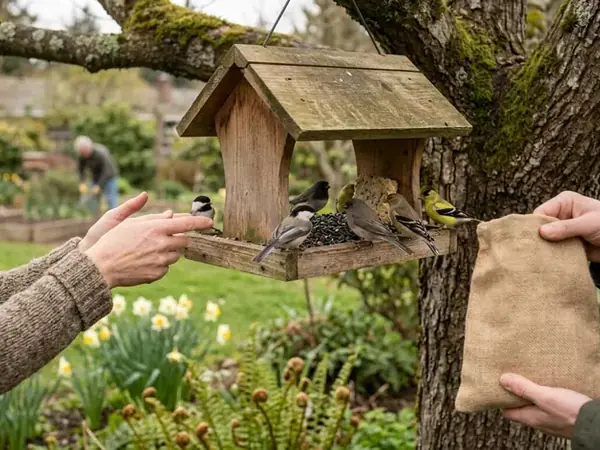
Larger birds stress perches and tray rims through repeated landing and balancing. Thin snap-in perches prove less durable than through-mounted rods or molded supports backed by the feeder body.
Note: Squirrel-resistant construction reduces chewing and prying damage, but it should still be checked after repeated visits. Lids, clips, and ports take the abuse even when the seed is protected.
What Durable Feeders Still Cannot Solve
Even well-built feeders need routine inspection, cleaning, drying, and occasional part replacement. A feeder is considered long-lasting only if its materials, design, maintenance routine, placement, and local wildlife pressure align.
Inspect during every refill for cracked seed chambers, sharp broken edges, loose hangers, rust inside seed-contact areas, and lids that no longer close securely. Do a deeper check every month or two by emptying the feeder, opening the base, looking into seams, and confirming that wet hulls are not packed into hidden corners.
Tradeoffs exist with every material choice. Very heavy feeders may need stronger poles, wall brackets, or branches. Metal can become hot in direct sun. Wood can split or loosen at fasteners, while clear plastic can scratch, cloud, or crack.
Retire a feeder when moldy residue persists after cleaning, rust touches stored seed, a cracked tube can admit rain, or a damaged edge could injure birds or the person refilling it. Caveat: coastal salt spray, intense high-altitude sun, deep-freeze cycles, and frequent squirrel or raccoon access can shorten the useful life of otherwise well-built feeders.
A Backyard Birder’s Durability Checklist
The final inspection sequence is designed to be usable in a store aisle, while reading online product photos, or while deciding whether to keep an older feeder. Lift it, twist it, open it, imagine rain falling on it, and look for the exit path.
Quick Tip: A quick in-person durability check can be done in a minute or two. Flex the roof lightly, twist the hanger, press near ports, open the lid, look underneath for drainage, and check whether the base comes off.
For online buying, useful photos show the underside, open lid, hanger attachment, seed-contact interior, port collars, and base connection. Exterior-only photos leave too many durability questions unanswered.
A strong candidate has:
- A rigid body made of weather-tolerant material
- Protected hardware and a reinforced hanger
- A tight roof with visible drainage below
- Reachable cleaning surfaces and replaceable parts
- Chew-resistant ports and no sharp or fragile seams
Summary: The longest-lasting feeder is usually the one that stays dry, opens fully for cleaning, and protects its highest-stress parts.