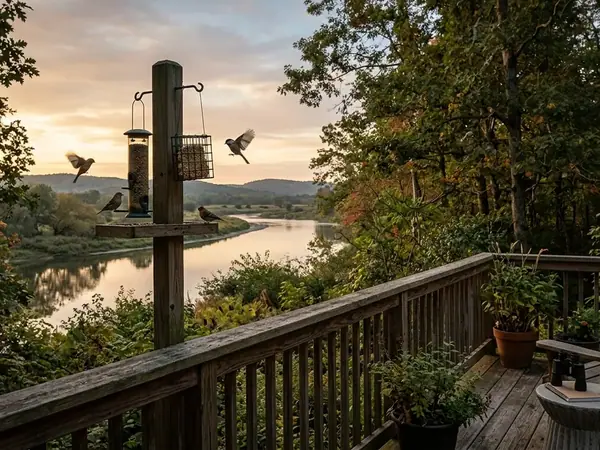
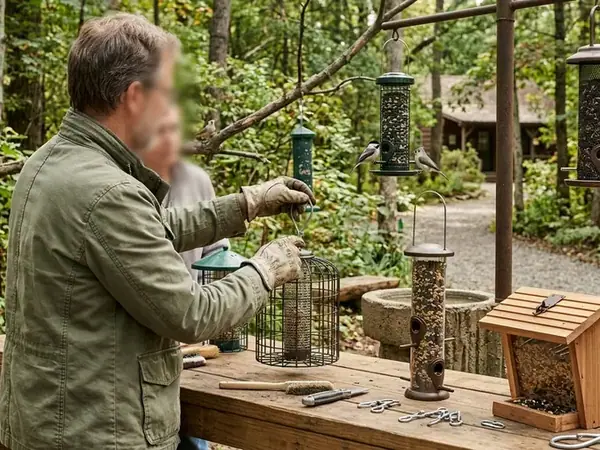
Start With the Bird, Not the Bag
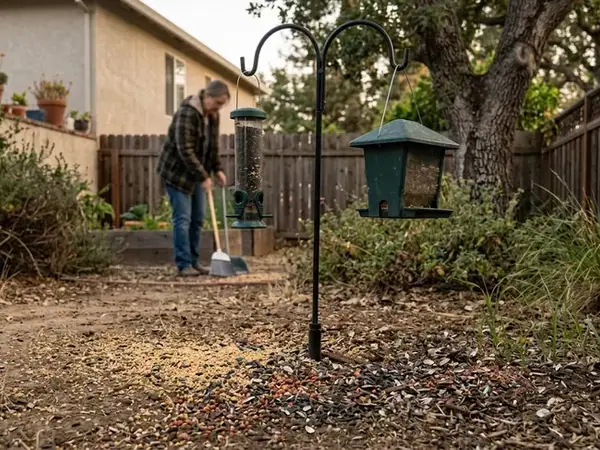
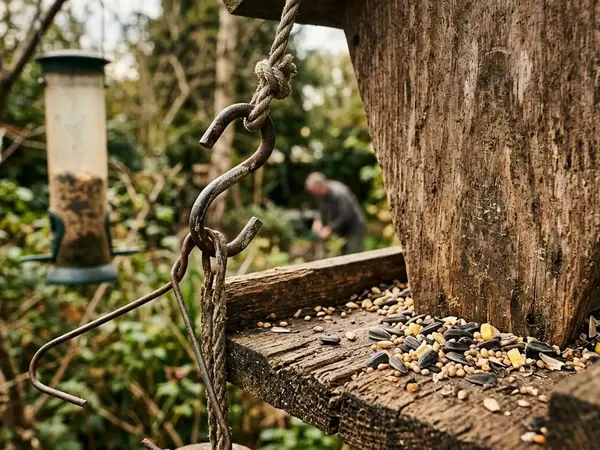
A newly filled feeder hangs in the yard, birds arrive to sort through the offerings, and the ground below quickly tells the truth about what was actually eaten. Many beginners buy a general seed mix, then wonder why certain birds ignore it or why shells and leftovers collect below the feeder. The diagnostic process starts by looking down. Empty hulls usually mean feeding activity, while intact seeds accumulating for several days suggest rejection, poor feeder fit, or stale seed.
Navigating the feed store requires understanding the nine seed categories readers commonly see on backyard-bird labels: black oil sunflower, striped sunflower, sunflower hearts, safflower, white millet, nyjer, cracked corn, milo, and mixed blends. Every seed choice affects three observable results at once. It determines which birds visit, dictates which feeder works best, and controls how much cleanup the homeowner ultimately manages.
Birdseed Types at a Glance
Building a successful feeding station relies on matching the food to the field conditions. This comparison focuses on categories a homeowner can act on in a single shopping trip.
| Seed type | Birds commonly attracted | Best feeder style | Mess level | Main caution |
|---|---|---|---|---|
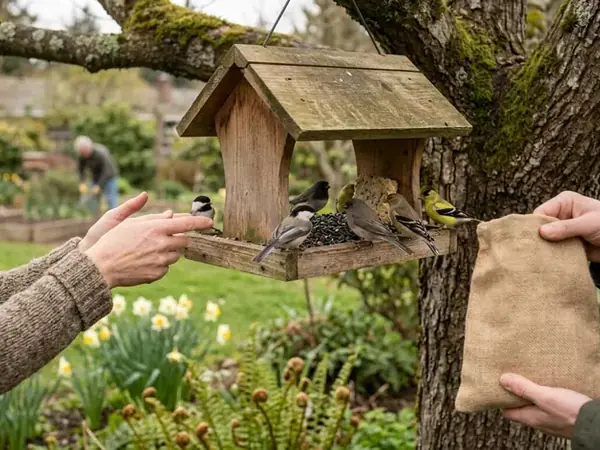
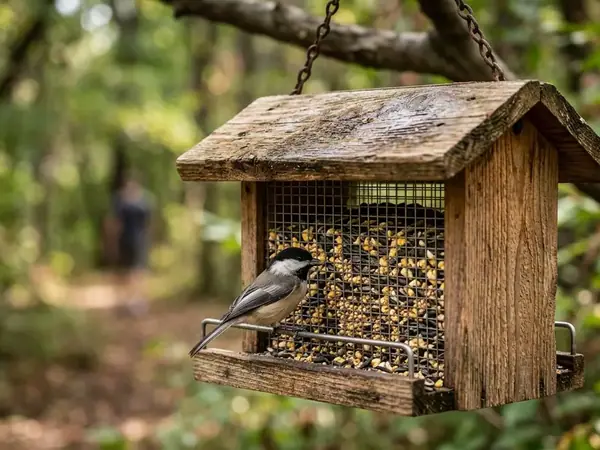
| Black oil sunflower | Cardinals, chickadees, titmice, nuthatches, finches, jays | Hopper, tube, or tray | High (shells) | Expect hulls beneath the feeder even when birds are eating well. |
| Sunflower hearts | Same broad appeal as black oil | Window, patio, or deck feeders | Low | Wet hulled seed sours quickly; requires smaller refills. |
| Nyjer | Finches | Mesh sock or finch tube | Low | Leaks or bridges in standard seed tubes. |
| Low-cost blends | Varies (often ground birds) | Platform or tray | High (uneaten filler) | Milo, wheat, or oats often leave a visible residue line. |
Sunflower Seeds: The Most Reliable All-Purpose Choice
Treating all sunflower seed as identical ignores how the shell changes which birds can handle it and how much cleanup the homeowner accepts. Black oil sunflower features a thinner shell than striped sunflower, which makes it a strong default for many backyard feeders, offering high-energy kernels and broad use by cardinals, chickadees, titmice, nuthatches, finches, and jays. Ongoing Cornell Lab Project FeederWatch food-preference guidance supports this broad appeal across various regions.
Striped sunflower is larger and harder-shelled. This physical barrier favors bigger-billed birds such as cardinals, grosbeaks, and jays, while proving less convenient for tiny feeder birds.
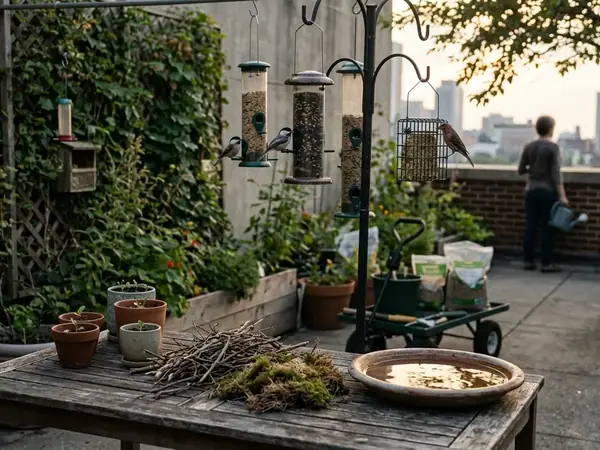
Hulled sunflower hearts provide similar broad appeal with much less shell waste. They work best where patios, decks, balconies, or window feeders need tidier feeding. Because hull buildup becomes obvious within a few feeding days in these locations, hearts solve a practical maintenance problem. They do require smaller refills during damp weather, since wet hulled seed can sour faster than seed still protected by its shell.
Small and Specialty Seeds: Millet, Nyjer, Safflower, and Cracked Corn
Smaller and specialty seeds perform best when separated by feeding height and bird behavior.
White Millet and Cracked Corn
White millet serves primarily as a ground-bird and platform-feeder seed rather than a universal tube-feeder filler. It connects directly to sparrows, juncos, doves, and towhees. Context matters heavily here—white millet may bring juncos and sparrows to a quiet winter yard but sit untouched on a high balcony with little ground-bird activity. Similarly, cracked corn should be treated as a short-serving food on platforms or open ground. Remove it promptly if it becomes damp before birds finish it.
Nyjer and Safflower
Freshness, Safety, and What Seed Choice Cannot Control
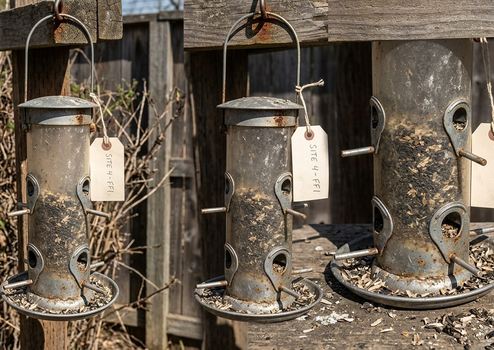
Nyjer is tiny and oil-rich. It performs best in a finch feeder with mesh or narrow ports.
Quick Tip: A common failure case occurs when nyjer is placed in a standard seed feeder. The seed spills out or birds ignore it, leading the homeowner to assume finches are absent when the real issue is a seed-port mismatch.
Safflower is a firmer white seed. People often choose it when trying to favor cardinals, grosbeaks, and some finches while reducing appeal to certain nuisance visitors. It requires patience, as local flocks sometimes take weeks to recognize it as a food source.
Mixed Seed Blends: When They Help and When They Waste Money
Blends are not automatically bad. A well-crafted blend serves several bird types at once if the ingredients match the feeder and the local population. During our early community observations, we considered ranking blends by bag price, then dropped that approach because the real cost is the portion birds leave behind, not the shelf tag.
Learning to read the ingredient list prevents wasted money. A useful blend typically lists recognizable feeder foods such as sunflower, white millet, safflower, or peanut pieces near the front. Heavy amounts of red milo, wheat, or oats, on the other hand, often mean more uneaten residue in many backyard settings.
A classic beginner mistake involves placing a general economy blend in a narrow tube feeder. The sunflower pieces disappear first, while small seeds clog the lower ports and disliked filler falls into the tray. To run a home test, buy the smallest available bag, fill only part of the feeder, and inspect the tray or ground after a few feeding days. If the same intact grains remain after several refills, switch either the blend, the feeder style, or the feeding location before buying a larger bag.
Match the Seed to the Feeder and the Birds You Want to Watch
Most beginners start with a specific viewing goal. Organizing the feeding station around reader intent yields better results than simply buying bags at random.
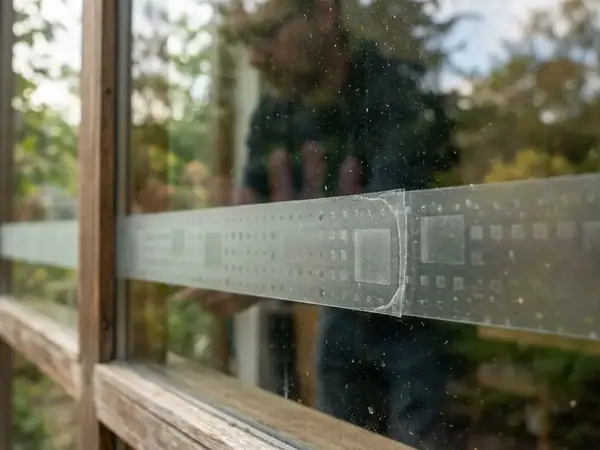
- Window watching: Recommend sunflower hearts or small amounts of shelled blends. They reduce hull buildup near glass and are easier to clean. Refill lightly enough that the food is replaced before it cakes against the plastic tray.
- Cardinals and grosbeaks: Recommend hopper or platform feeders loaded with black oil sunflower, striped sunflower, or safflower. Larger birds need adequate space to perch and face sideways rather than clinging at a narrow tube port.
- Finches: Pair nyjer or fine sunflower chips with a dedicated finch tube or mesh feeder. If birds disappear from an old nyjer feeder, replace the seed before changing the feeder location.
- Ground-feeding birds: Serve white millet on a low platform. Remove leftovers the same day during wet weather to prevent spoilage.
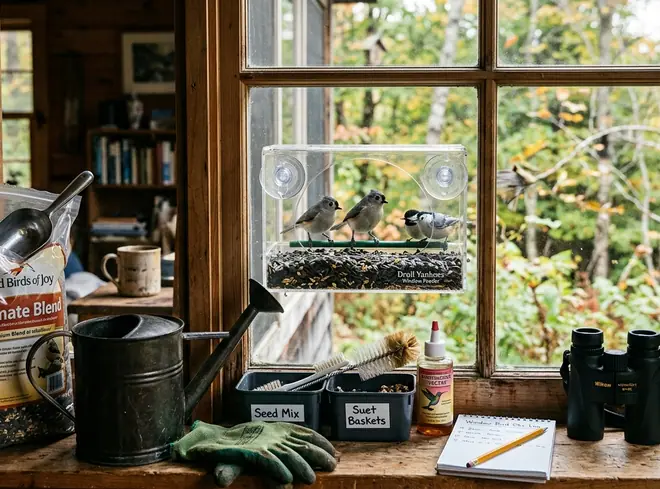
Seed choice acts as a steering tool, but it cannot guarantee a specific species. While specific seeds strongly influence which birds investigate a feeder, habitat, region, season, weather, predators, and nearby natural food ultimately dictate which species actually visit.
Judging both bird response and station hygiene is required before adding more food. Check seed before each refill for a musty odor, clumping, webbing, visible mold, or damp patches. Inspect trays and window feeders daily during rainy stretches and after wind-driven storms that blow water into seed cups.
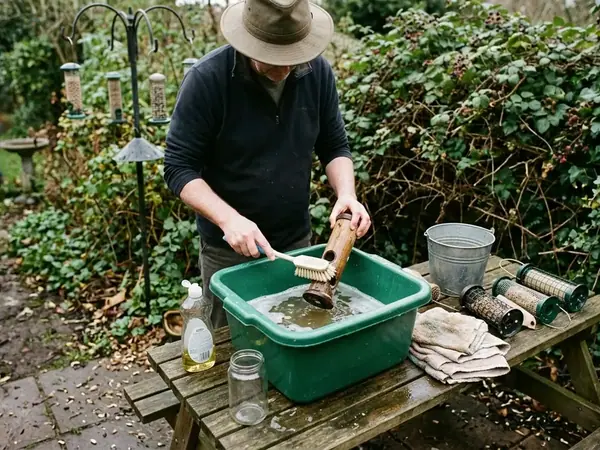
Clean seed feeders on a regular weekly to biweekly cycle in ordinary use. Faster cleaning becomes necessary when seed is wet, birds look ill, or droppings accumulate on feeding surfaces.
Note: Pause feeding, discard remaining seed, and clean the station thoroughly before restarting if sick birds appear, rodents become regular visitors, or food spoils repeatedly.
Best Picks for Most Backyard Feeders
Narrowing the shopping decision to a few dependable starting points prevents overwhelming trial and error. Use black oil sunflower as the default first purchase for a general backyard feeder. Switch to sunflower hearts when the feeder hangs above a deck, balcony, patio, or window ledge where hull cleanup matters.
Reserve white millet for areas where ground-feeding birds can reach it cleanly, preferably on a low platform instead of scattered into wet lawn or mulch. Purchase nyjer only when you also have a finch-style feeder that can hold tiny seed without spilling.
Summary: The best birdseed is the one birds eat cleanly in the feeder style you can maintain safely.
Change one variable at a time. Watch what the birds choose, observe what they leave behind, and let the backyard flock guide future seed purchases.