The Practical Verdict on No-Mess Seed
Choosing the wrong seed can mean paying for food birds discard while creating more cleanup and more opportunities for rodents or unwanted plants. Removing hulls usually reduces shell litter and prevents discarded hulls from accumulating. It cannot eliminate spilled food, bird droppings, moisture problems, or every pest visit.
Evaluating a birdseed switch requires looking past the marketing copy on the bag. A successful feeding strategy isolates the specific issues happening at the feeding station. Frame the evaluation around four questions you can observe at home: what reaches the ground, what birds actually eat, how quickly the seed deteriorates, and what each consumed portion costs.
What “No-Mess” Means Inside the Bag
No-mess seed consists of kernels removed from their shells before sale, rather than a magical product that produces zero residue. Classify each food by physical form before comparing labels. You will typically find whole kernels, chips, coarse fragments, meal-like fines, or intact seed.
A useful comparison distinguishes sunflower hearts, sunflower chips, shelled peanut pieces, hulled millet, and shell-free blends from in-shell sunflower and conventional mixed seed. Feeder fit and residue are easier to predict from particle size. Whole sunflower hearts usually remain in feeders designed for ordinary sunflower seed. Fine chips and fragments are easier for some small birds to handle, but they can escape through coarse mesh, drainage slots, or ports wider than the fragments. When this happens, premium seed quickly becomes expensive ground food.
Shell Litter, Rejected Seed, and True Waste
Understanding feeder dynamics requires separating three materials commonly called waste: empty hulls, edible kernels knocked out of the feeder, and ingredients deliberately rejected by birds.
Diagnosing Ground Debris
Calculating Apparent Consumption
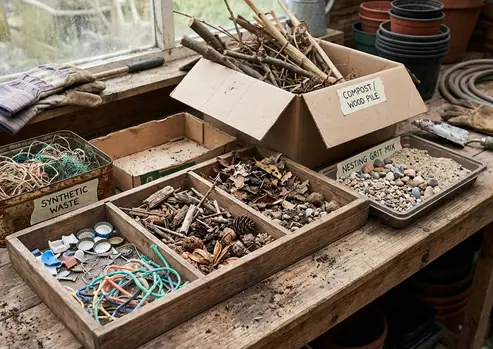
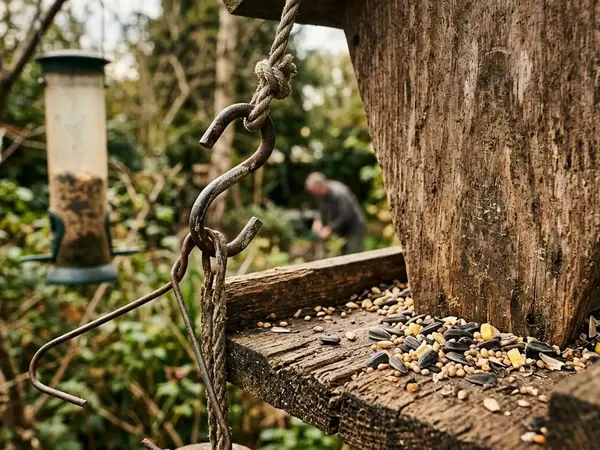
Inspect a roughly 30-centimeter area beneath the feeder before refilling. Sort a small debris sample by function rather than appearance. Split hulls are simply packaging left after feeding. Intact edible pieces indicate spillage. Repeated piles of one untouched ingredient indicate deliberate rejection.
An in-shell sunflower feeder may create a large-looking debris layer even when most of that volume consists of split, empty hulls rather than uneaten seed. No-mess seed changes this visible footprint. Fewer hulls make patios, balconies, lawns, and planting beds easier to maintain. A patio feeder can justify shelled seed because sweeping hulls is burdensome even when the measured seed cost does not decline. However, dropped kernels remain edible and highly attractive to ground-feeding animals.
Why Fewer Hulls Do Not Guarantee Fewer Pests
Rodents and other unwanted visitors respond primarily to accessible calories. Shelled kernels on the ground remain highly attractive even without hulls. Treat sprouting, pest access, and spoilage as separate control problems. Hulled kernels address germination, spill collection addresses accessible calories, and dry storage addresses spoilage.
Kernels that have been sufficiently hulled or broken generally cannot germinate. Intact spilled seed may sprout rapidly in damp soil. One catch: removing shells does not make a feeding station pest-resistant; rodents can exploit even a small nightly supply of spilled sunflower or peanut pieces. A commercial blend may also contain intact or incompletely processed ingredients. Verify the actual contents visually rather than relying only on the front-label claim.
Bird Preference Depends on the Kernel, Not the Claim
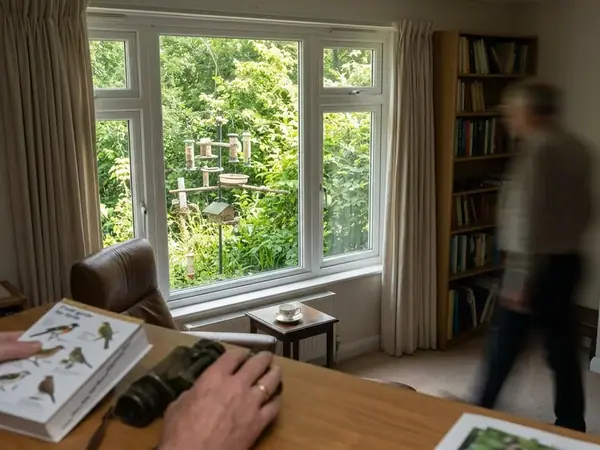
Birds respond to food type, size, freshness, feeder access, and local availability rather than the marketing category printed on the bag. Assess acceptance ingredient by ingredient. Observe leftovers over three to five active feeding periods. A recurring ingredient left behind is more informative than one quiet morning with few visitors.
Sunflower hearts serve as a broadly useful starting point for many seed-eating backyard birds without promising a fixed species list at every location. Whole hearts are easier to track visually than complex blends. Whole pieces suit birds able to carry or open larger food. Chips offer accessible pieces for smaller visitors but require tighter ports or finer retaining mesh to limit loss. A shell-free blend can leave substantial edible waste when fine sunflower chips pass through coarse mesh or when birds sort out a less-preferred hulled ingredient.
Compare Cost by What Birds Eat, Not Bag Weight
Shelled seed commonly carries a higher shelf price because the buyer is paying for processing and a bag composed more heavily of edible material. Neither format is universally cheaper. The result depends entirely on discarded shells, rejected ingredients, spillage, spoilage, and cleanup priorities.
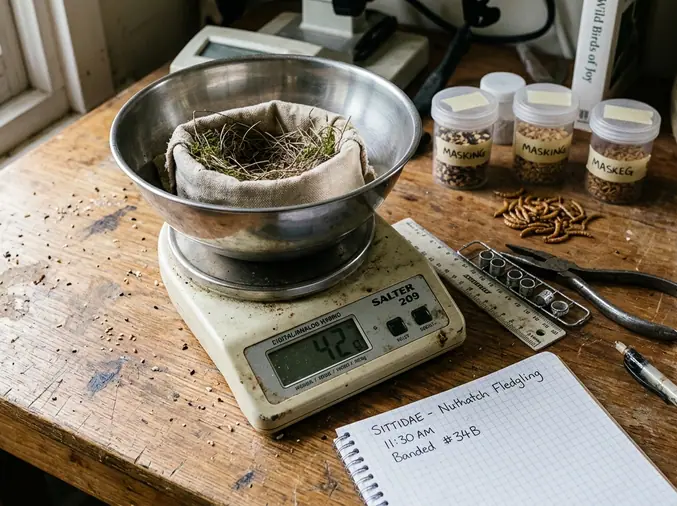
Use a simple input-and-leftover comparison to find the true cost. For a kitchen-scale comparison, begin with about 250 to 500 grams of one food so ordinary scale resolution does not overwhelm small differences in leftovers.
- Weigh the food added to the feeder.
- Weigh dry recoverable food left after the observation period.
- Calculate apparent consumption as food added minus recoverable edible leftovers.
If 400 grams are offered and roughly 70 grams of dry edible material remain, use 330 grams as the apparent-consumption figure. Do not count empty hulls as edible leftovers. Divide the purchase cost by the amount apparently consumed to find the actual feeding expense.
Match the Seed to the Feeder and the Site
Choose the intervention from the debris diagnosis. Shell piles point toward hulled food. Intact kernels point toward port or tray changes. One consistently rejected ingredient points toward a simpler blend. Change only one factor—seed, feeder, or location—for three to seven comparable feeding days before making the next adjustment.
Maintaining Feeder Hygiene
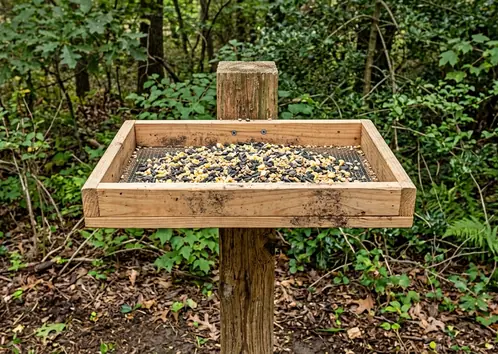
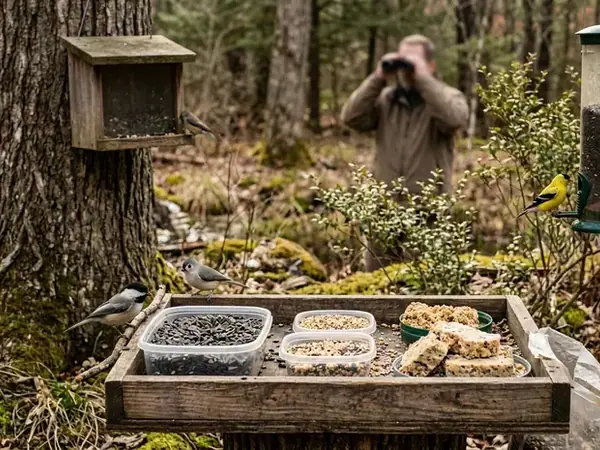
Trays or contained feeding surfaces help manage spillage. A tray should extend beneath the active ports far enough to intercept dropped fragments. Collected food should be removed as soon as it is wet or mixed with droppings rather than returned to the feeder. Check exposed platforms and trays each morning after rain, irrigation, or heavy dew. Remove wet fragments instead of topping them with fresh food.
Make observations after one dry feeding interval and again after rain or heavy dew. Exposed kernels behave very differently once moisture reaches them. Discard the contents when kernels form damp clumps, smell musty or sour, show visible fungal growth, contain silk-like webbing, or have live insects moving through the food. Store shelled food in a clean, sealed container off the floor and buy an amount that the household normally uses within two to four weeks rather than keeping a slow-moving seasonal surplus.
Run a Side-by-Side Test Before Switching Every Feeder
Run the current seed and a single-ingredient shelled option sequentially in the same cleaned feeder and location. Use two observation blocks of three to five daylight feeding periods each, keeping the starting food weight and feeder fill level the same. Record the amount offered, recognizable leftovers, intact food on the ground, hull accumulation, wet or spoiled material, visitor acceptance, and cleanup effort.
Repeat an unexpected result during another three-to-five-period block with similar wind and precipitation conditions before replacing food across every feeder. Base your final purchasing decision entirely on this localized evidence. Switch your feeding station to whichever seed type shows the highest actual consumption with the least intact ground spillage during your own testing blocks—for most patio setups, that ends up being plain sunflower hearts in a tray-equipped feeder.