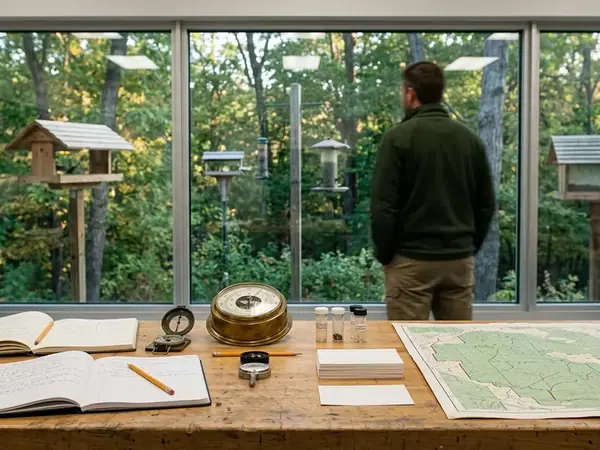
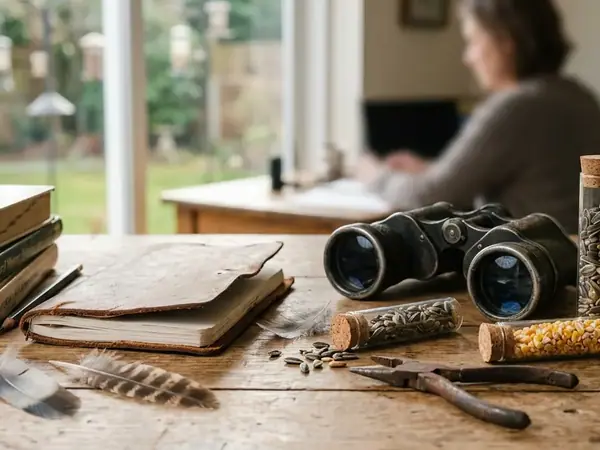
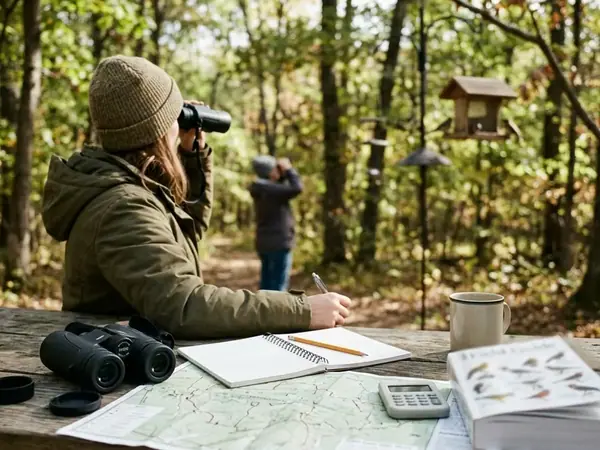
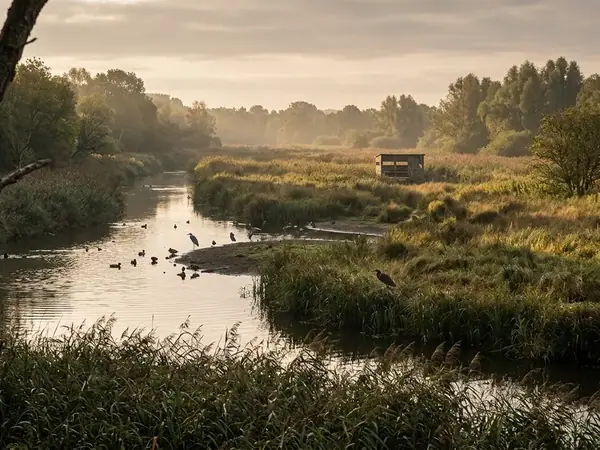
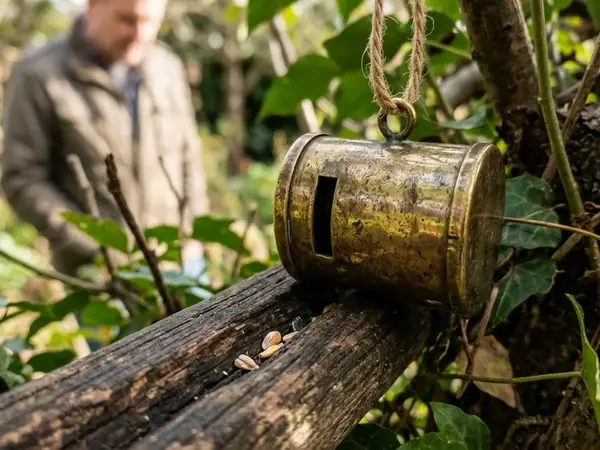
A child at the kitchen window notices movement before anyone names the bird. An adult lowers their voice. A common backyard visitor lands close enough for the family to watch it arrive, look around, hop once, feed, call, preen, and leave without anyone stepping outside.
That is enough for a good first birdwatch.
Why Simple Family Birdwatching Works
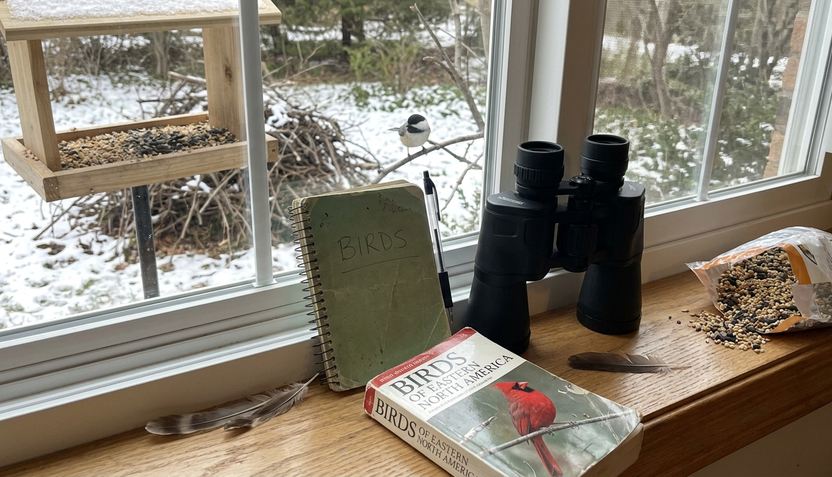
Family birdwatching works best when it stays small. A school-morning pause at the window or an after-dinner sit on the porch teaches more than a rushed outing where children chase every flutter. The useful habits are plain: watch first, move slowly, speak softly, and let the bird decide how close is close enough.
These activities help children notice behavior, sound, movement, food choices, and habitat. Identification can come later. A child who sees that one bird lands low, scans the shrub edge, and leaves quickly has already learned something important, even if the name remains uncertain.
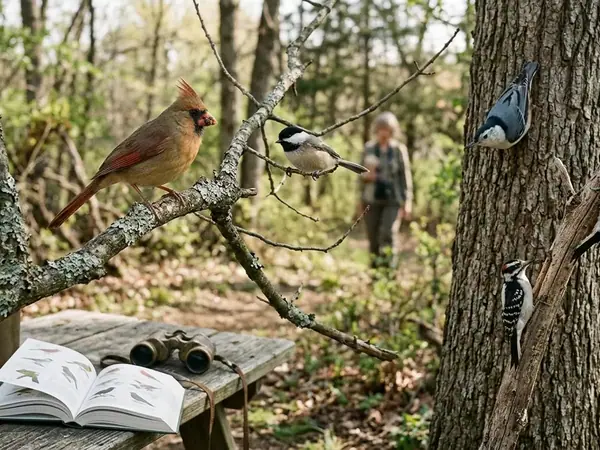
The conservation rule is simple: the safest family birding keeps distance and reduces disturbance. Common birds deserve the same care as rare ones. A house sparrow, chickadee, robin, dove, or finch can teach posture, alertness, feeding rhythm, and flock behavior from a few quiet steps away.
Summary: Choose one small watchable moment. Let children describe what the bird does before asking what the bird is.
Criteria for Selection: What Makes an Activity Bird-Safe and Family-Friendly
The activities below were chosen because they require little setup and use ordinary materials: paper, pencil, a timer, a window, an existing feeder, or an outdoor view. Each can run as a short few-minute session for younger children or stretch into a longer journal entry for older children.
The selection favors stillness. A species-identification race was considered and dropped because it nudged children toward guessing names instead of reading behavior. Observation before identification gives beginners more room to be accurate.
Clear boundaries matter. Families should avoid nest touching, bird handling, running toward birds, tapping on glass, and repeated sound playback. These are not advanced rules for expert birders. They are the foundation of kind watching.
- Use a viewing place where birds can come and go freely.
- Ask children to describe color, size, movement, and location before naming species.
- Stop the activity if birds alarm, scatter repeatedly, or avoid the area.
- Keep pets away from active bird areas during the watch.
Family Birdwatching Activities to Try at Home
1. Run a Five-Minute Feeder Count
A feeder count sounds formal, but this version is a calm observation routine, not a backyard census. Set a timer for about five minutes. Watch from indoors or from several quiet steps back from the feeder.
Children can record four columns: color, size, behavior, and landing spot. Those columns keep the task manageable. One child may write small, brown, hopping, ground. Another may notice red head, medium, hanging, suet cage.
For the count itself, record the highest number of birds visible at the same moment. This prevents the same individual from being counted repeatedly when it leaves and returns.
Note: A feeder count becomes confusing when every return visit is treated as a new bird. The highest-number-at-one-time rule keeps the activity honest and simple.
2. Try a Backyard Sound Sit-Spot
Sound often reaches the family before the bird appears. That makes this activity useful on leafy summer mornings, behind fences, or in small yards where shrubs hide most movement.
Ask everyone to sit quietly for a few minutes with eyes open or closed. Listen for chirps, calls, wingbeats, dry leaves moving, feeder rustling, or a bird landing on a branch. Not every useful sound is a song.
Then make a sound map. Children can mark where each sound came from using simple direction words: left, right, near, far, high, low, behind, and overhead.
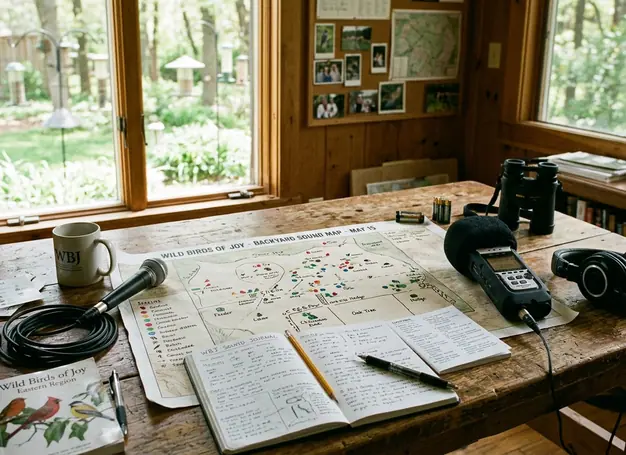
- Draw a small circle for the listener.
- Mark each sound with a dot or short word.
- Add direction labels such as high, low, near, or behind.
- Compare the map with what the family later sees.
3. Practice Window Feeder Etiquette
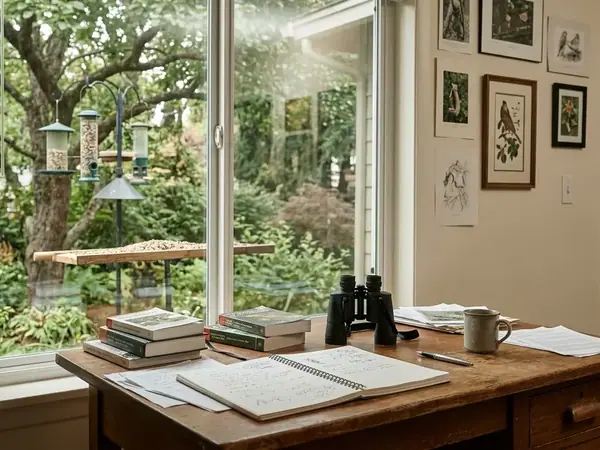
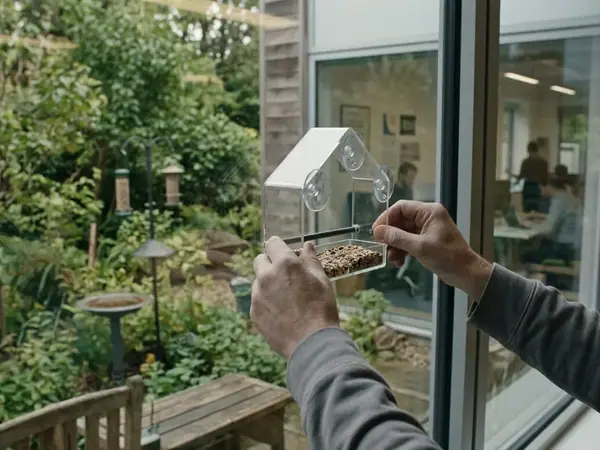
A window feeder or nearby feeder can become a viewing station with responsibilities attached. The sequence is practical: observe first, keep the glass area calm, then care for the feeder after birds have left.
Ask children to watch the approach pattern. A bird may arrive nearby, pause, scan, feed briefly, look around again, and leave. That pause matters. It shows the bird checking safety before spending energy at the feeder.
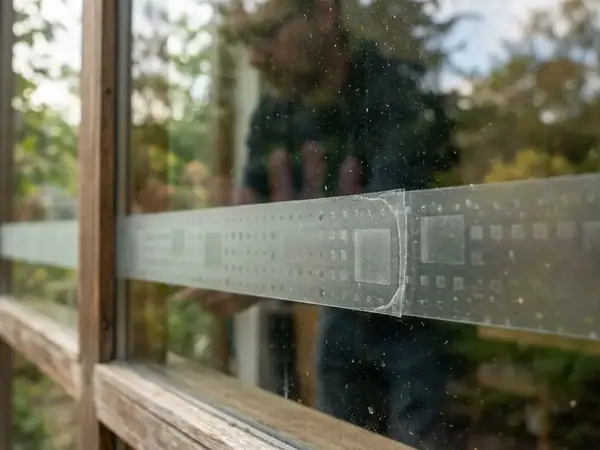
Stillness is part of the activity, not an optional courtesy. Keep hands, faces, pets, and sudden movement back from the window while birds are feeding. A child pressing close to the pane may not mean harm, but the bird only reads movement and risk.
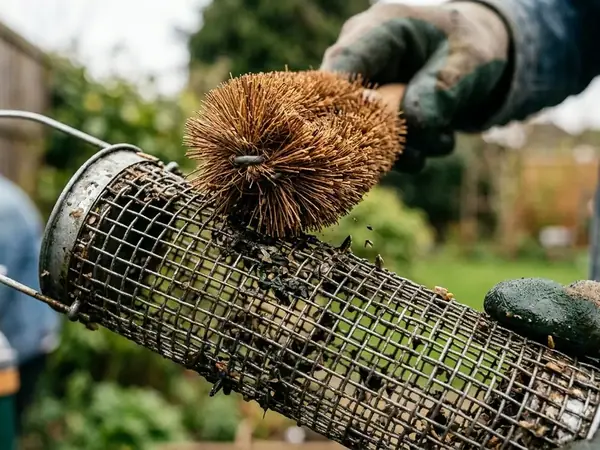
Feeder care belongs in the lesson too. Remove wet or old food promptly, and clean feeders routinely rather than waiting until seed clumps or residue are obvious.
4. Do a Sketch-Before-Photo Challenge
The sketch comes before the photo because drawing forces a child to choose what mattered. Posture. Beak shape. Tail length. Wing marks. Movement.
Give children a minute or two to sketch before anyone opens an identification guide or looks up a bird photo. The drawing does not need to be artistic. It is a noticing tool.
Useful prompt questions keep the sketch focused:
- Was the bird hopping or walking?
- Was the tail flicking?
- Was the beak short, thick, long, or pointed?
- Did the bird hold food in its feet?
- Where did it call from?
Ask for one written behavior note beside the drawing, such as fed on ground, held seed in feet, or called from fence. That note often becomes more useful than the outline.
5. Compare What Birds Choose at the Feeding Station
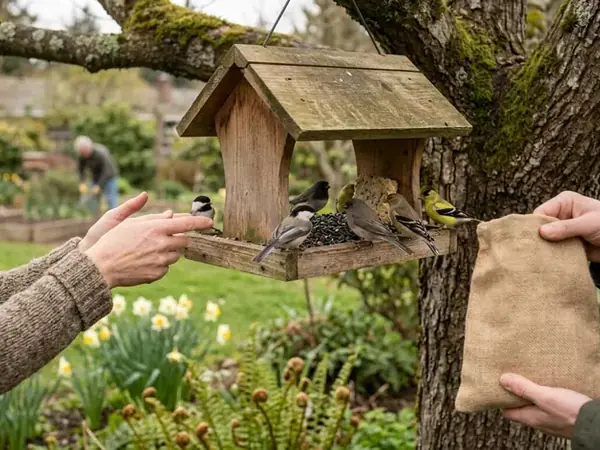
This activity asks families to compare what birds already use, not to keep changing food or feeder placement during the observation. The feeding station is the subject. The family watches; the birds choose.
Children can record whether birds visit a perch feeder, ground area, suet cage, seed feeder, water dish, shrub edge, or fence line. Use qualitative entries: visited often this morning, ignored while we watched, or one bird landed and left quickly.
That language avoids turning one backyard moment into a broad claim about all birds. A finch favoring a perch feeder during one watch tells the family something about that moment, that feeder, and those conditions.
Good feeding hygiene stays in view. Keep seed dry, clear spilled hulls from busy feeding areas, and pause feeding if food spoils, pests gather, or crowding becomes noticeable.
6. Take a Bird-Friendly Habitat Scavenger Hunt
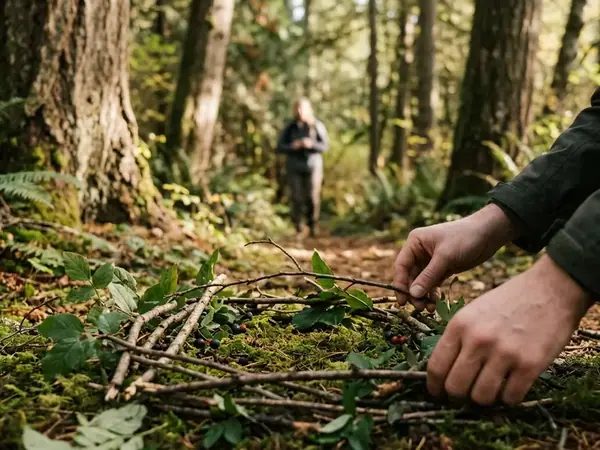
This activity widens attention from the bird to the place the bird uses. A balcony planter, a street tree, or a messy leaf corner can be as observable as a large backyard.
Look for habitat elements birds use: shrubs, seed heads, leaf litter, water, perches, shade, and covered escape routes. At each spot, ask one question: would a bird use this for food, water, cover, rest, or a lookout perch?
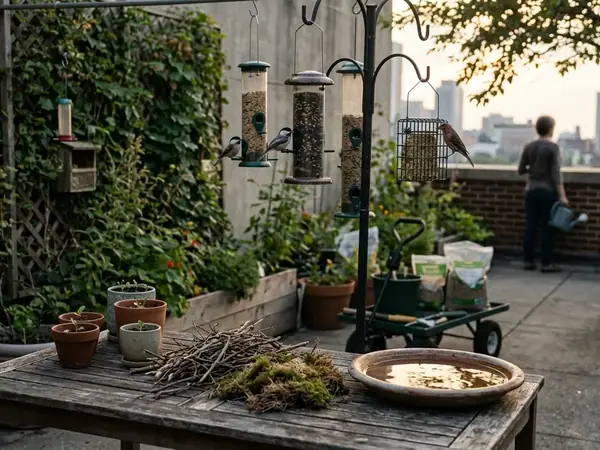
Apartment families can adapt the same practice. Check balcony pots, railing views, shared courtyards, nearby street trees, and planted sidewalk strips. The goal is not to claim ownership of the space. It is to notice how birds move through it.
Quick Tip: Ask children to point to cover first. Birds often feed in open places only when a safer shrub, branch, or fence line sits nearby.
7. Keep a Weather and Season Journal
A bird journal should feel like a family noticing habit, not homework. Use five plain fields: date, weather, first bird seen, most active spot, and one behavior noticed.
Over time, children can compare quiet mornings, rainy days, windy afternoons, and warmer or colder stretches. Keep the claims modest. A few entries can show what the family noticed, but they should not be treated as broad evidence for a whole region.
Useful changes to watch for include new songs, small flocks, different feeding times, or fewer visits during rough weather. The value is in repeated attention.
8. Write a Family Bird Code
The promise belongs near the end because it gathers the values behind the earlier activities. Children should help write it, so the guidance sounds like care for living birds rather than a posted rule list.
Keep the final promise short enough to read aloud in well under a minute before a backyard watch.
- We watch quietly.
- We stay back.
- We never touch nests.
- We keep cats away from bird areas.
- We clean up feeding spaces.
Each child can add one positive action: refilling fresh water with an adult, reminding others not to tap the window, or putting the notebook back by the viewing spot.
Safety Scope and Limits for Family Birdwatching
This guide covers casual family observation. It does not cover wildlife rehabilitation, bird banding, nest monitoring, or veterinary care. For everyday backyard watching, simple distance usually solves most concerns; injured, trapped, sick, or nest-displaced birds require qualified local help rather than home care.
If the family finds an injured bird, step back, keep children and pets away, and contact a licensed wildlife rehabilitator or local wildlife authority. Do not ask children to pick up the bird for a closer look.
Families should also avoid approaching nests, using loud call playback, offering unsafe foods, or encouraging children to run toward birds for photos. Patient, quiet watching aligns with Cornell Lab’s guidance on birding with kids, especially when adults model respectful distance.
Key Takeaways for a Safer Backyard Birdwatch
One small activity is enough. Choose a short watch, stay quiet, write down one detail, and leave the birds undisturbed.
A kitchen window, balcony door, porch chair, feeder area, small yard edge, or shared green space can all support a first family birdwatch. No long gear list is required.
The best subject may be the common bird that appears every morning. When children learn to notice how it lands, scans, feeds, calls, and leaves, they begin to see the backyard as habitat rather than scenery.