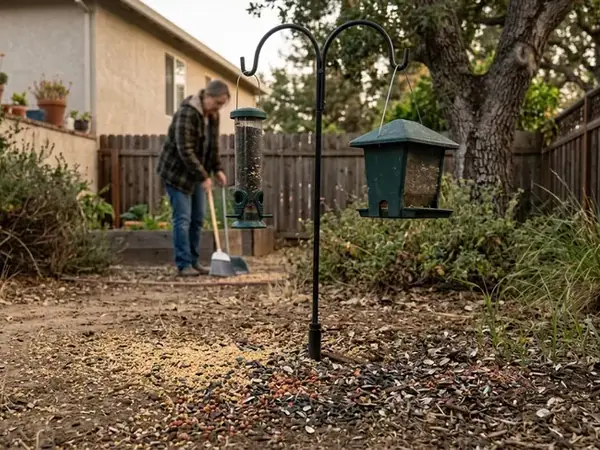
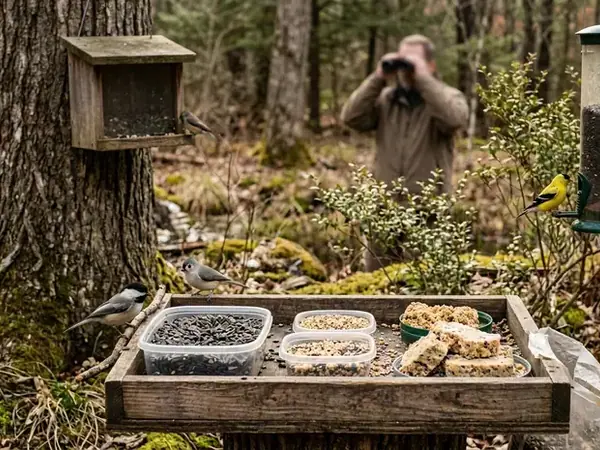
An Unexpected Visitor at the Backyard Feeder
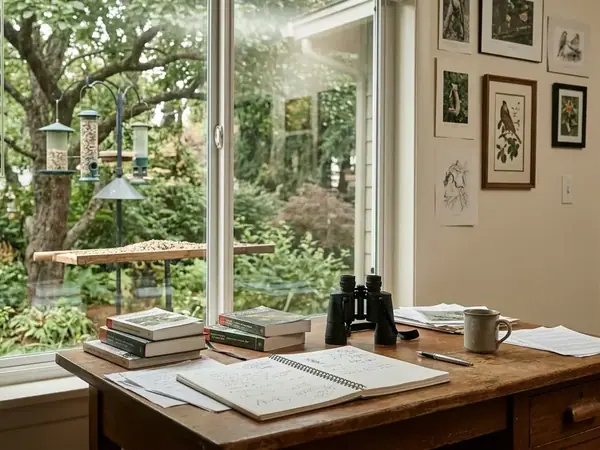
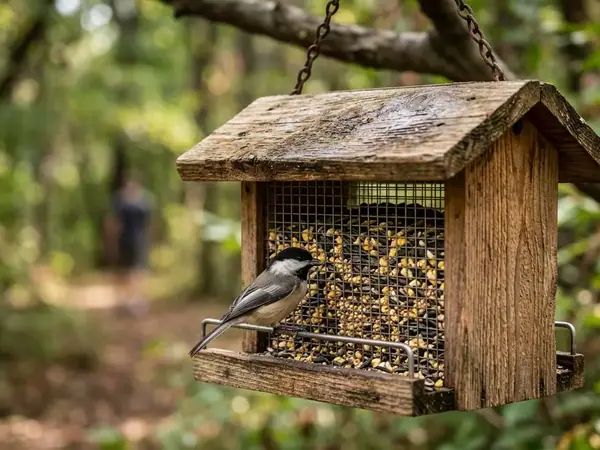
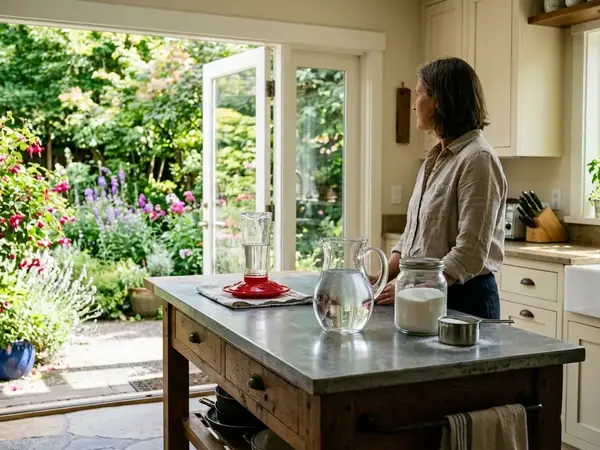
Imagine an ordinary morning beside the kitchen sink. A homeowner glances through the glass toward the hanging seed tube, spots a bird with unfamiliar markings perched among the usual finches, and reaches for a phone. Two quick photographs come through the closed pane before the bird slips back into the hedge. Back at the kitchen table, the sharing screen opens with a blinking location field—and a pause.
That brief hesitation matters. Excitement over an unusual backyard bird never grants outsiders permission to enter the property where it appears.
Posting a photograph from home brings three separate decisions into play. First comes the choice to share the observation or keep it private. Second is the level of location detail attached to the post. Third, and completely independent of the first two, is whether to welcome visitors onto the property. A homeowner can post a clear image, ask the wider birding community for identification help, and turn down every request to visit the yard.
Check the Bird's Situation Before Sharing Its Location
Stay at the original indoor window before making any decision about posting. Walking out the back door for a sharper identification portrait alters how the bird uses the space. An indoor viewpoint lets the observer watch quietly without pressuring the visitor away from food or cover.
Watch what the bird is actually doing in the garden. A quick stop to crack a few sunflower seeds before flying off over the roofline carries very different stakes from repeated flights into a dense corner shrub, food carried toward a concealed branch, or the presence of dependent young. When an unfamiliar bird appears to be nesting or tending fledglings, keep the exact location off public forums altogether, and avoid stepping closer to verify a nest just to add detail to an online post.
Keep Feeders Steady
Maintain the established feeding position and regular cleaning schedule while the bird visits. Never shift feeders closer to a fence line for easier viewing or play recorded calls to lure a wary bird out of cover.
Pay close attention to behavioral cues while watching. Repeated alarm calls, quick retreats whenever someone passes a window, or feeding bouts cut short by human movement serve as practical signals to step back or end an observation session. Those reactions do not establish a formal diagnosis of the bird's physical condition, yet they give a clear, actionable reason to increase distance. Even if a hanging feeder can be seen from a kitchen pane or a public sidewalk, that sightline never turns the yard, neighboring gardens, or sheltered shrubs into public viewing destinations.
Share the Bird Without Publishing the Gate
Every birder posting from home chooses how much geographic context accompanies an image. Comparing the three main approaches clarifies what each option offers the community and where the property boundary stands.
- A photograph with no location: Gives others the simple pleasure of admiring an unusual visitor and noting its plumage, while keeping the sighting entirely detached from any map. It grants zero physical access.
- A photograph with a broad locality: Naming a county or general region gives fellow birders useful seasonal and regional context for identification without pointing anyone toward a residential street. It likewise carries zero permission to visit.
- A privately arranged visit: Handled away from public threads, this option gives one specifically invited observer agreed, time-limited access to a designated spot while keeping the address closed to the general public.
Make a broad locality the standard default whenever a rare or unfamiliar bird shows up in a private yard. Reserve street names and house numbers for situations where the property holder has deliberately decided to host a specific guest.
Run a Pre-Post Privacy Check
Before tapping publish, strip out unintentional trail markers that could lead strangers to the front gate:
- Inspect digital location fields: Check both the platform's post location tag and the image file's embedded location data. Never assume a social network or birding forum automatically strips coordinates upon upload.
- Crop structural identifiers: Trim away house numbers, street signs, distinctive porch ironwork, and neighboring rooflines.
- Scan reflections and backgrounds: Zoom in on window panes, car bumpers, and adjacent fences to make sure no identifying landmarks or neighborhood names show through.
- Review captions and early comments: Keep casual clues out of the text. Waiting to post until after the bird has moved on avoids announcing its presence in real time, though older photos still need the exact same privacy scrub.
When seeking identification input or sharing a morning highlight, a clear caption draws the boundary immediately: "An unexpected backyard visitor this morning. Shared for identification and enjoyment; the garden is not open for visits."
Ask Before Turning a Sighting Into a Visit
From the visiting birder's side of the screen, a thrilling photograph from a residential feeder calls for patience. Enthusiasm from the person who uploaded the photo never substitutes for direct consent from the person who controls access to the home. Before starting the car, contact the homeowner privately and treat a lack of reply as a firm decline.
Model Permission Request
"Would a brief visit to view the bird be welcome? I can fit around a time and viewing place you choose, and I completely understand if you prefer no visitors. I would come alone and would not forward the address."
If the homeowner welcomes a visit, settle the practical arrangements before traveling. A complete agreement covers six essentials:
- Arrival window: Set a defined appointment, such as a specific 9:00–9:15 a.m. slot chosen to suit the household routine rather than as a prescribed birdwatching hour.
- Viewing position: Confirm the exact spot where the observer will stand or sit.
- Companions: Verify whether the invitation covers one person exclusively.
- Parking: Clarify where to leave a vehicle so driveways and neighbors remain undisturbed.
- Photography: Ask whether cameras or long lenses are comfortable in that space.
- Address privacy: Confirm that the location details will remain strictly confidential.
Once on site, follow the agreed entry route, stay within the designated viewing spot, speak quietly, and depart promptly when the window closes or if the host asks. Peering over side fences, lingering outside neighboring windows, blocking driveways, or using a public roadside strip to angle lenses into private living spaces are never acceptable workarounds when permission has been withheld.
If Visitors Are Welcome, Set the Viewing Boundary First
Homeowners who enjoy sharing a special bird in person get the smoothest experience by setting physical and temporal limits before sending out an address. Choose a viewing spot well clear of sensitive shelter or feeding lanes, settle on a brief appointment—such as a manageable 10–15-minute hosting window—and send entry instructions via private message to the named guest rather than dropping directions into a public comment thread.
Comparing Indoor Window and Garden-Edge Positions
Two common hosting setups balance bird welfare, household comfort, and entry control in different ways:
- An existing indoor window: Keeps human movement and silhouettes separated from the feeder zone by familiar glass, minimizing sudden disturbance to the bird. At the same time, it brings a guest directly into the home's living space, requiring the host to accompany them indoors.
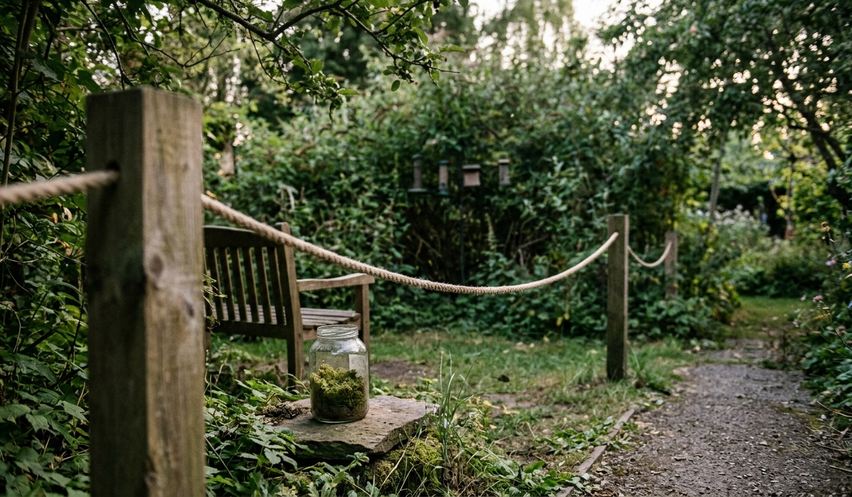
- An outdoor garden-edge position: Preserves indoor household privacy by keeping the observer near a side gate, patio margin, or driveway line. However, it exposes the bird to unfamiliar movement outdoors and requires unmistakable physical markers so the visitor knows which gate to use, where to stand, and which parts of the yard, nesting thickets, and neighboring lots remain strictly off-limits.
Some properties lack any viewing angle that protects both the bird's space and household privacy, making a polite refusal of all visits the soundest choice. Where hosting does fit the layout, state clearly in the private invitation that the agreement covers only the named individual, allows no extra guests, and forbids reposting the address. Remember that an invitation offers a chance to watch from a specific spot—never a guaranteed sighting or a license to follow a moving bird across the lawn—and the homeowner can end the visit at any point.
When a Sighting Post Starts Drawing a Crowd
Even a well-intended post can circulate faster than expected if a sought-after species is involved. When messages start piling up or uninvited cars slow down along the curb, act in a deliberate sequence to close access rather than trying to organize an impromptu viewing line.
- Stop sending directions immediately: Pause all private replies containing street or neighborhood clues.
- Scrub controlled posts: Delete precise map pins, street references, or identifying photos from every post under the household's control.
- Publish a clear status update: Post a direct notice where watchers will see it: "Private property. Visits are not being accepted. Please do not wait outside or approach neighboring gardens."
- Request third-party removals: Contact regional forum moderators, group administrators, or anyone who reshared the sighting. Point out the specific copied address, map pin, or driving directions that need taking down, keeping in mind that removing an original post does not automatically erase screenshots or forwarded messages elsewhere.
If a scheduled visit is already underway when extra people show up, when someone steps across the agreed boundary, or when the bird repeatedly retreats from approaching observers, bring the session to an immediate close. Never respond to crowd pressure by putting out extra seed, shifting the viewing line closer to the shrubs, or announcing a new public gathering hour. Fellow birders in the wider community play a vital part here too: withholding forwarded addresses, passing along the closure notice accurately, and leaving the street promptly instead of forming an informal sidewalk queue protects both the bird and the neighborhood.
Post the Bird, Keep the Address Private
Back at the kitchen table, that unfinished post comes together cleanly. The homeowner crops out the neighbor's garage number, verifies that location tags are switched off, names the county, and adds an explicit note that the garden is closed to visitors. If a trusted local birder later asks to see the visitor and the household wants to host, that invitation moves into a separate private message naming the single guest, the kitchen-window viewpoint, and a fifteen-minute morning arrival window.
Sharing a wildlife observation and opening a gate are two entirely separate acts. Keep every backyard sighting's exact address private by default, and release it only through a direct, personal invitation that puts the bird's calm, the household's comfort, and the neighbors' peace first.